
- Home
- »
- Uzbekistan
The goal of the EGED Programme is to improve the effectiveness, accountability and transparency of economic policy delivery on reform priorities in Kazakhstan, Kyrgyzstan, Tajikistan and Uzbekistan.
Intended outcome
Economic reforms deliver better results for the public through the systematic use of data in planning and implementation, and closer engagement between government and civil society.
Transitioning to green economy
Evidence for reforms. The EGED Programme funded three assessments to support the Government of Uzbekistan 2030 green transition reforms:

- Climate Change Institutional Framework Assessment;
- Uzbekistan economy Adaptation and Resilience Assessment;
- Air Quality Assessment and the Roadmap for Air Quality Management Improvement in Uzbekistan.
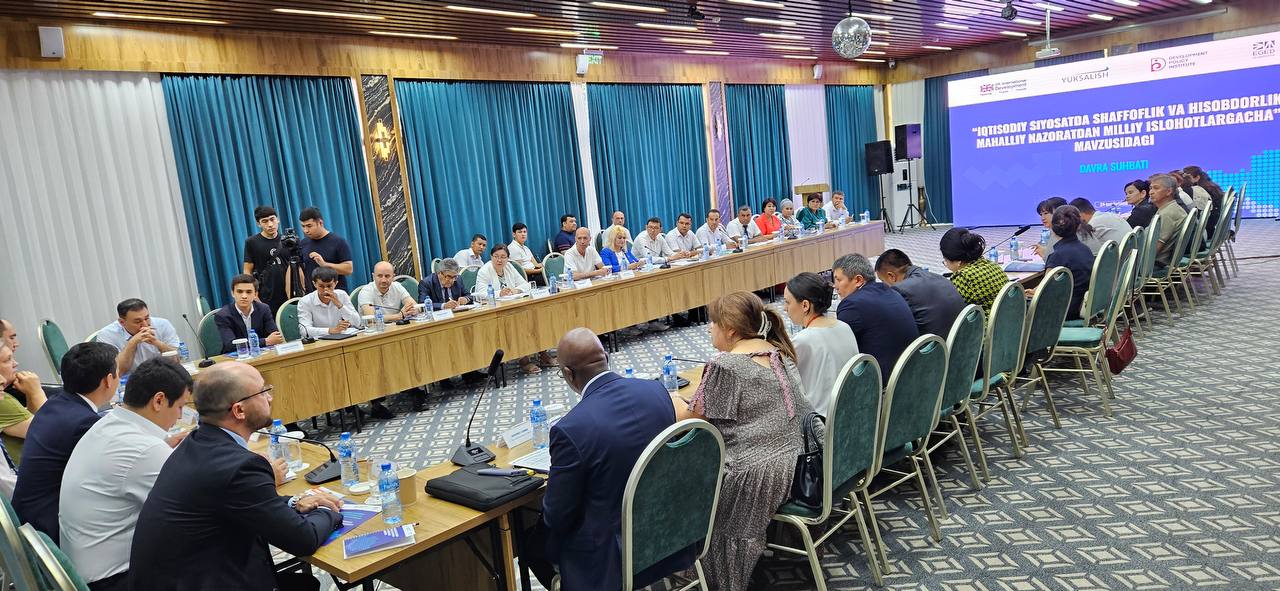
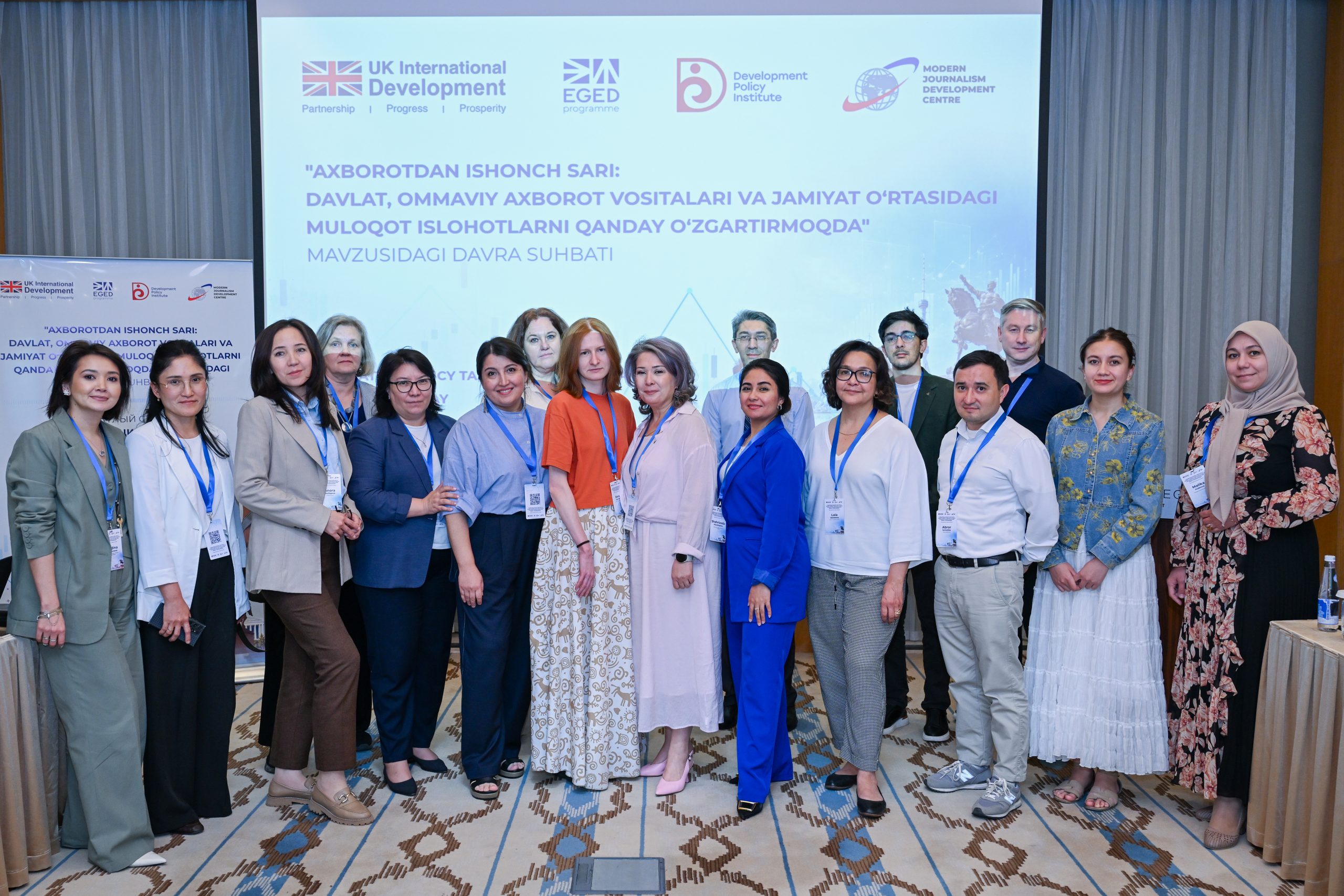
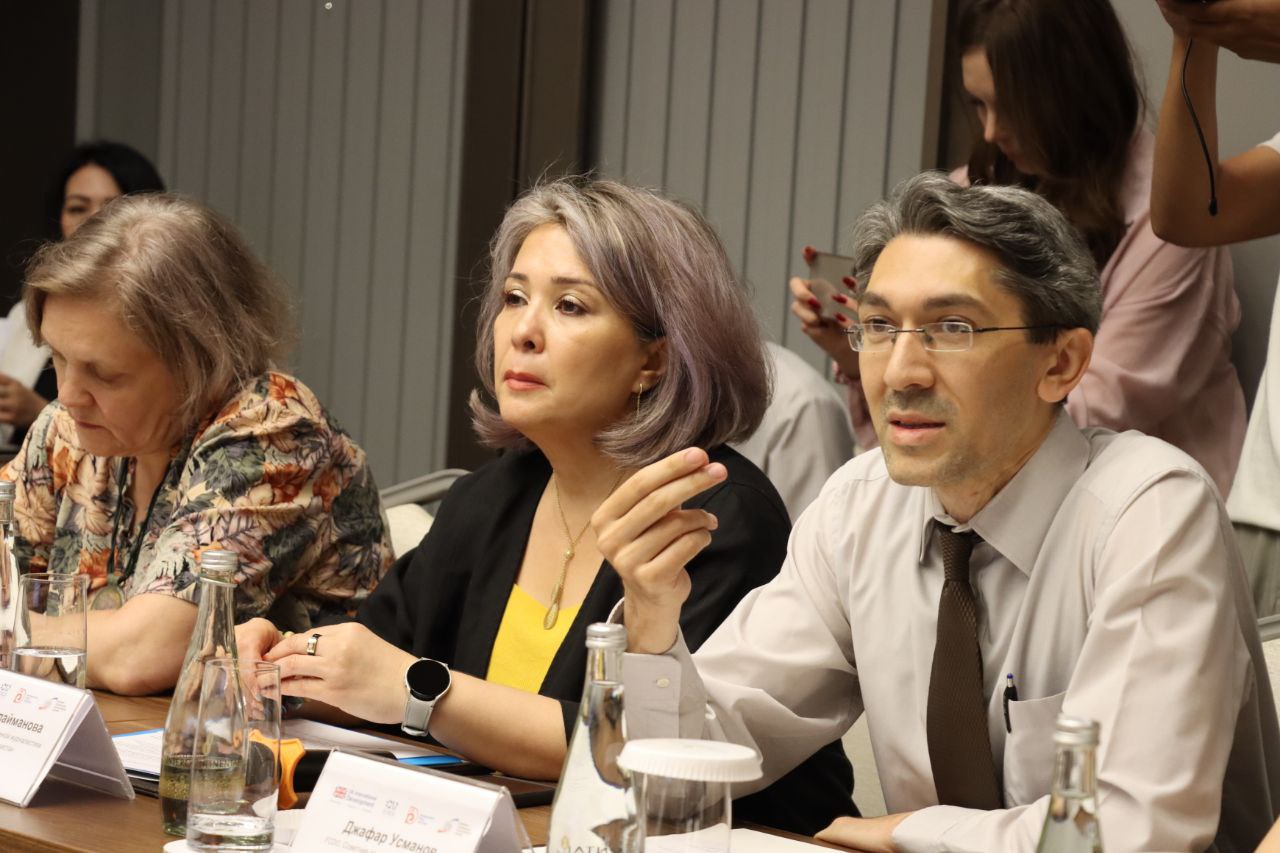
Civil society engagement. A Policy Dialogue Group – a network of 12 civil society organizations, private sector and business associations formed to advocate for green transition.
to reduce greenhouse gas emissions developed by the Policy Dialogue Group and submitted to the Government of Uzbekistan.
14 analytical materials addressing climate and green economy challenges were published online reaching more than 21751 views.
Stronger Public Finance Management and Budget Transparency
The EGED Programme funded the 2024 Public Expenditure and Financial Accountability (PEFA) assessment and first-ever Climate PEFA assessment.

The findings and recommendations helped shape the Government of Uzbekistan 2025-2030 Public Finance Management Strategy,. PEFA assessments in Syrdarya and Ferghana informed reforms to strengthen results-based budgeting and resource allocation at the local level. (Presidential Decree No. 186 dd. October 2025).
The programme helped design and pilot public monitoring of Initiative and Mahalla Budgets. Monitoring conducted in 12 mahallas in Kashkadarya Region, laying the groundwork for institutionalising citizen oversight of local budgetary spend.
Uzbekistan’s first citizen-led oversight of public-private partnership (PPP) projects was piloted through the EGED Programme. Five project sites in Karshi were monitored by groups of local residents and technical experts, generating recommendations to strengthen project oversight and the regulatory environment for PPPs.
More Transparent Public Procurement
The EGED Programme helped develop and integrate an e-complaint module for tender bidders to feedback and/or raise concerns over the government electronic procurement system.

EGED also supported the Government of Uzbekistan to design 2025-2027 Public Procurement Strategy mainstreaming transparency, digitalisation, ‘green’ procurement, counter-fraud and conflict of interest, and compliance controls. A 28-member procurement monitoring group developed a Public Procurement Monitoring Guide shared with the Anti-Corruption Agency of the Republic of Uzbekistan.
Access to Global Markets through E-Commerce
The EGED Programme funded the E-GATE initiative to open new markets for Central Asian producers through B2B online trading
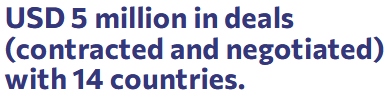
4 Uzbek firms started B2B sales on a global e-marketplace reaching
20% of supported firms created new e-commerce roles, 80% of whom are women.
Support to WTO Accession
Privatisation of State-Owned Enterprises (SOE)
The EGED Programme
- assisted to review the impact of SOEs on Uzbekistan market reforms;
- reviewed the outcomes of the Government of Uzbekistan 2021-2025 SOE Privatisation Strategy;
- advised revisions to the Laws on Competition and Privatisation,
- advised the Government of Uzbekistan on SOE privatisation priorities for 2026-2030 promoting a level playing field between state-owned and private enterprises
Labour legislation reform
Revised Labour Code. The EGED programme helped revise the Labour Code of the Republic of Uzbekistan – first revision since 1995

led to new provisions modernizing hiring procedures, the wage system (equal pay for equal job), human resource management, and protection for women and persons with disabilities.
Monitoring the implementation. A survey of firms confirmed positive impact of the new 2023 Labour Code on workplace equality and inclusive employment practices.
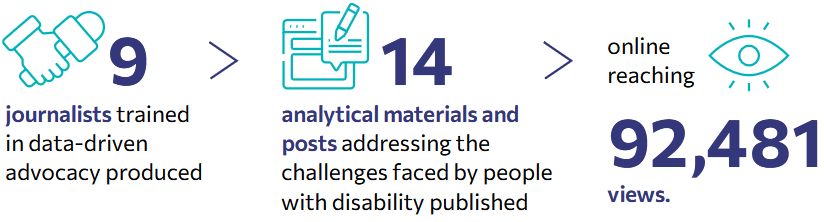
on challenges in labour legislation (or relations) were published online reaching more than
Economic empowerment of people with disability
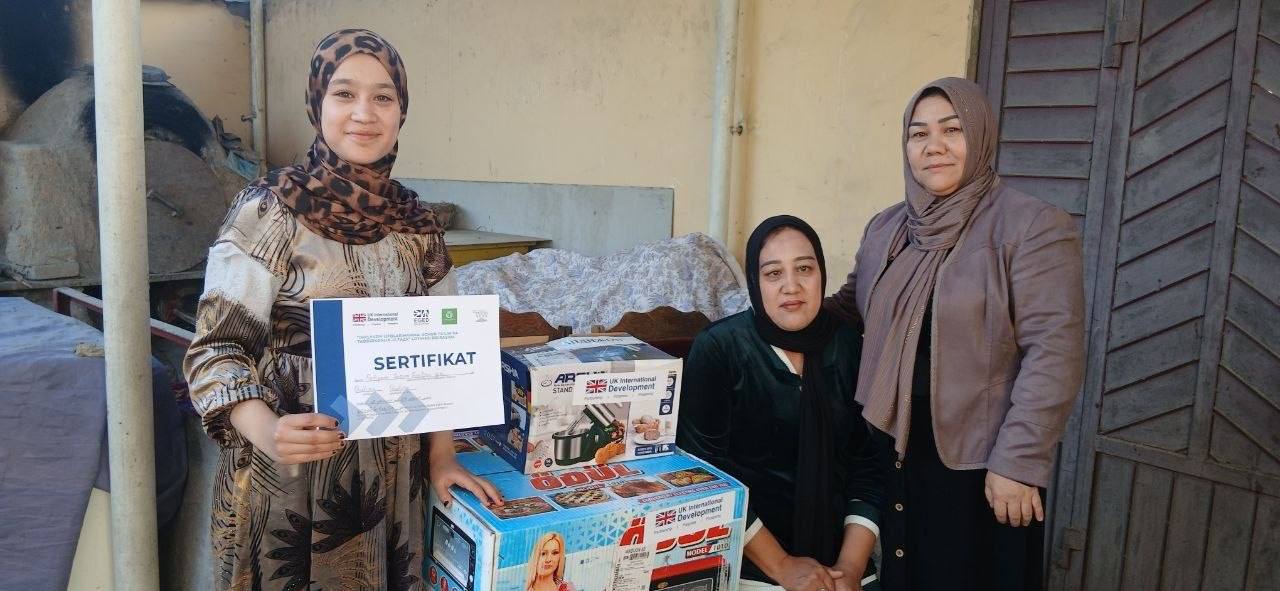
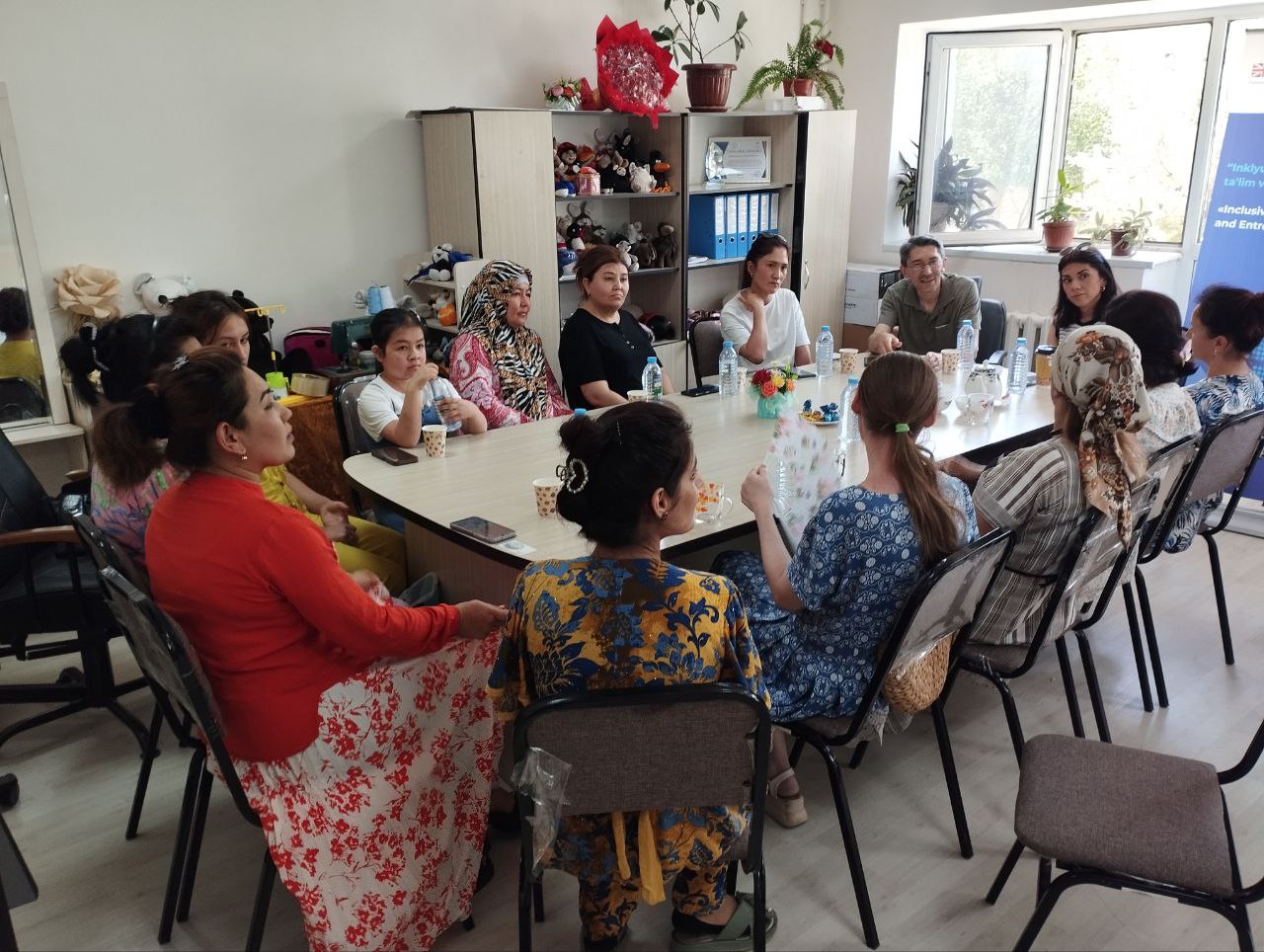
The EGED Programme delivered business acceleration courses to boost employment and entrepreneurship among women and youth with disabilities and low-income families.
Piloted in 2025 across Samarkand, Navoi and Namangan and later expanded to Andijan and Khorezm, the initiative trained a total of 832 participants, empowering 157 grantees to start their income-generating activities.
Tracking delivery on reform priorities
Analytics/Evidence for Policy
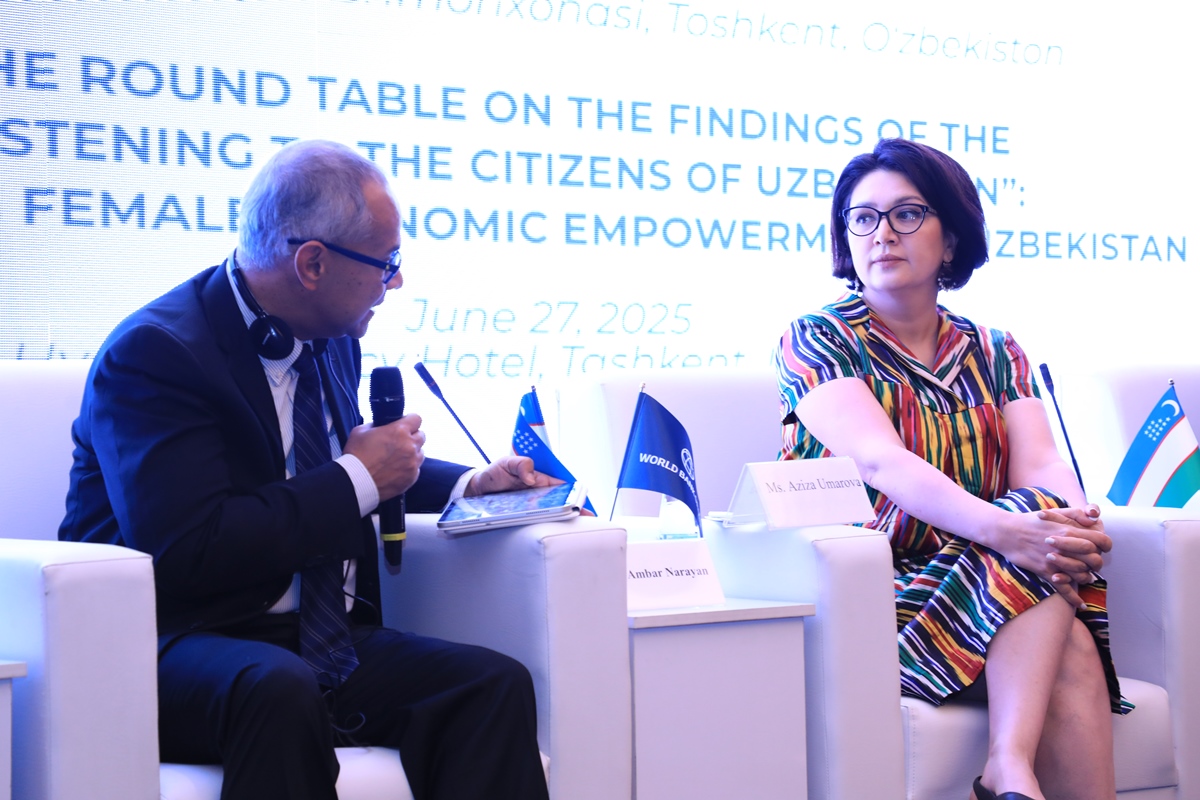
Listening to the Citizens of Uzbekistan Survey (L2CU)
Since 2020 EGED funds the Listening to the Citizens of Uzbekistan (https://www.worldbank.org/en/country/uzbekistan/brief/l2cu) implemented by the World Bank. A monthly survey of about 1,500 households across the country to understand public perception of wellbeing, reforms, migration, employment, access to public service, household income, food security, energy efficiency and air quality. L2CU helped inform the energy tariff reform, labour legislation revision, and poverty reduction. L2CU microdata open to the public at https://microdata.worldbank.org/index.php/catalog/6412 updated quarterly on the World Bank Microdata Library. The L2CU dashboard is available at Workbook: L2CU_dashboard. In 2025 the World Bank introduced the Project Target Index – a mahalla-level tool to pinpoint areas most in need and guide tailored interventions.
Country Gender Assessment
iSOEF Assessment
CSO Contributions to Development in Central Asia
The programme funded the first ever regional assessment of civil society contribution to development in the region. The assessment demonstrated the breadth and depth of NGO input to employment, tax revenue, service provision, community development, support to vulnerable groups, accountability, and many more. It made clear that NGOs are development actors that generate diverse benefits for the communities and societies they serve.
Pillar 1
National Statistical Committee
National Bank of the Kyrgyz Republic
Pillar 2
(2021 – 2024)
(2024 – 2026)
Beneficiary partners:
|
Implementor
|
Contacts
|
|---|---|
|
Foreign, Commonwealth & Development Office (FCDO) / British Embassy Tashkent |
https://www.gov.uk/world/organisations/british-embassy-tashkent |