
- Home
- »
- Kyrgyzstan
Sub-national development
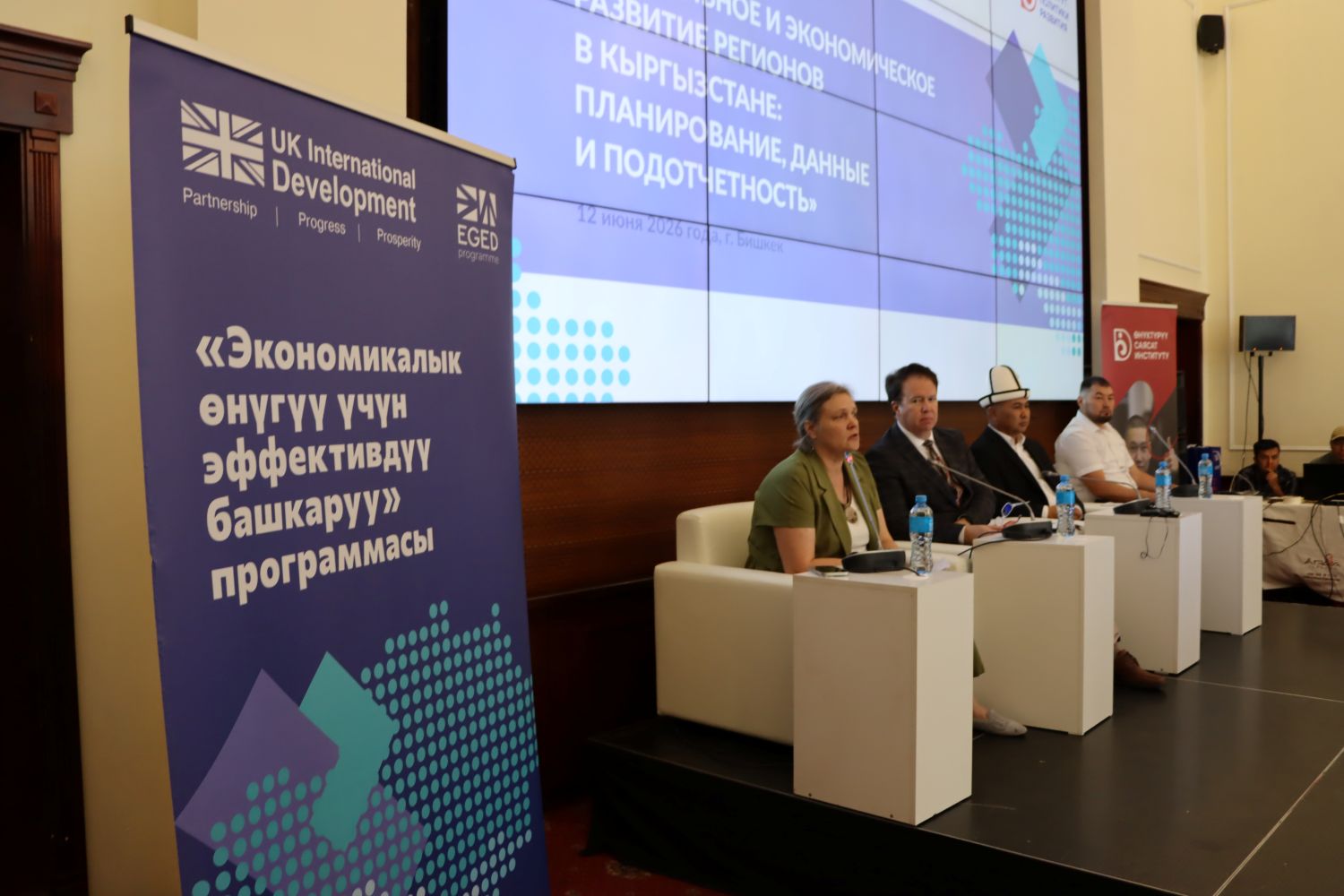
Public service delivery. In partnership with the KyrgyzStat, EGED programme trained 516 local self-governance (LSG) officials across the Kyrgyz Republic (66% women) in "Data for Regional Development: Sanarip Aimak1" leading to:
- the number of households registered in Sanarip Aimak up by 5%, citizens – by almost 10%,
- the number of certificates issued to local residents through the system up by 65%,
- the number of registered LSG passports up by almost 80%.
Data-driven sub-national planning. New methodologies developed and introduced (by Ministry of Economy and Commerce of the KR and State Agency for Civil Service and Local Self-Government under the Cabinet of Ministers of the KR on in 2024) to design Programmes for socio-economic development of LSGs and district level state administrations based on Sanarip Aimak data. The new methodologies:

- unified planning standard at the local level
- embedded data-driven planning in sub-national economic development
- enabled LSGs to identify priorities and opportunities for development with the participation of citizens and civil society
- linked the available resources and goals to the budget process.
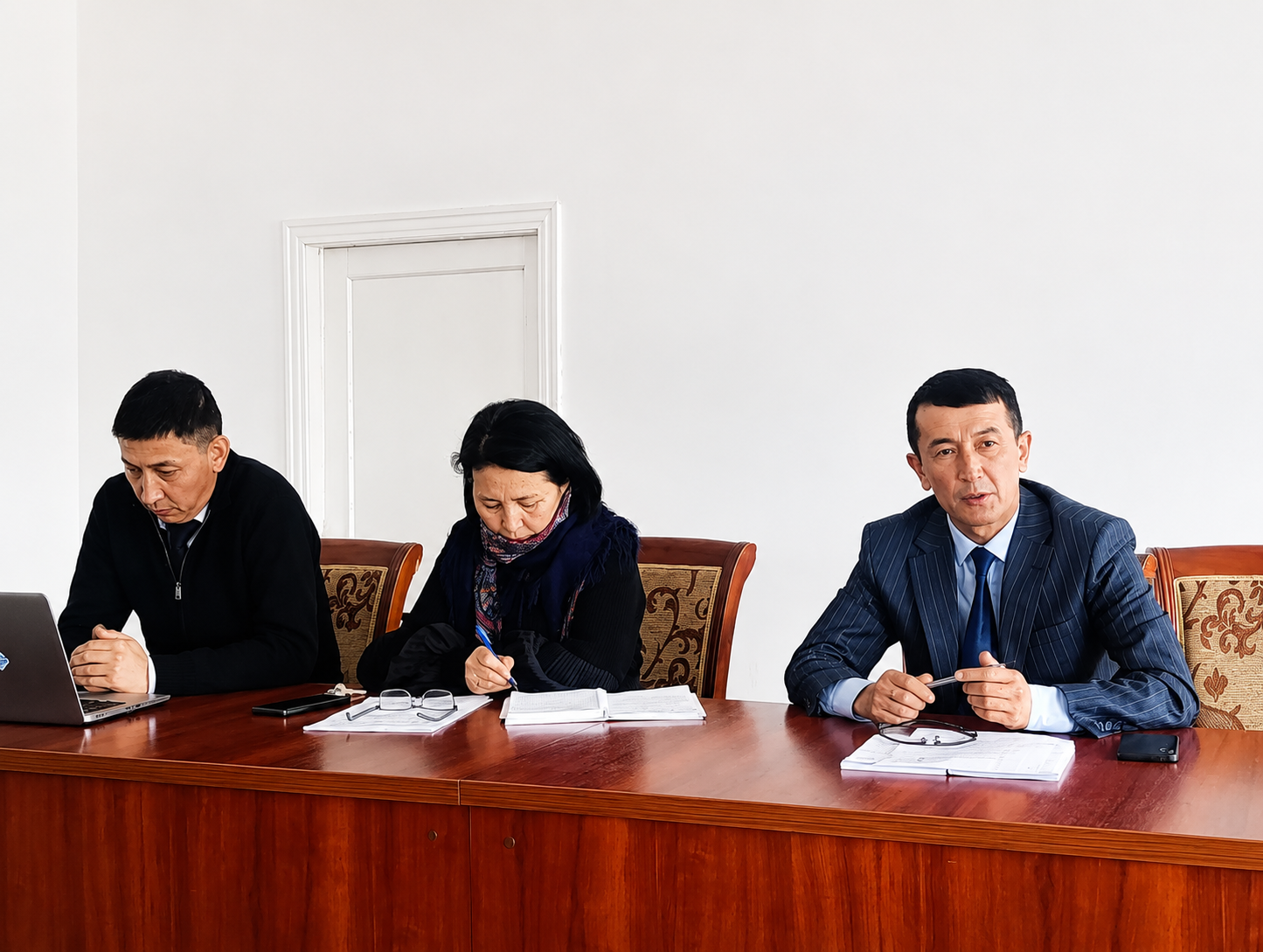
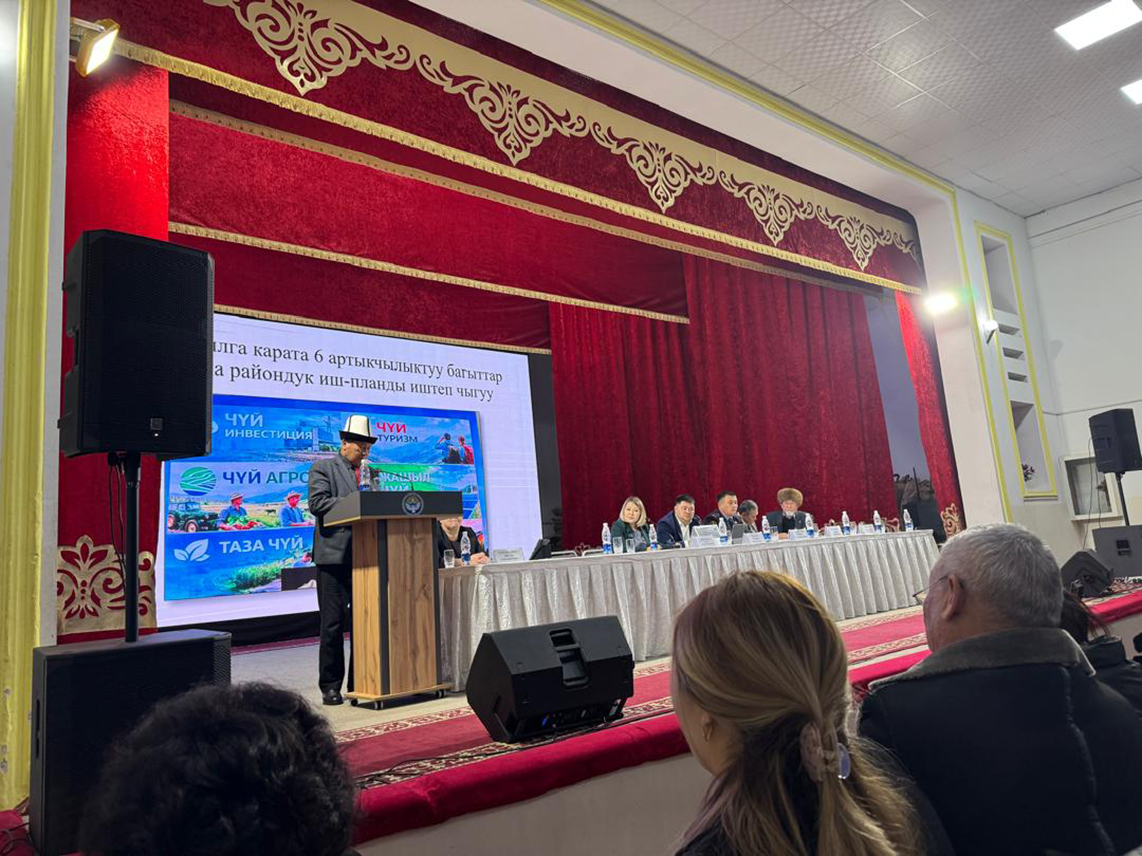
2,769 representatives from LSGs, business, and civil society (47.5% women) in 231 rural LSG bodies and 40 district-level state administrations trained in the new planning system.
More than 100 new local Socio-Economic Development Programmes (SEDP) developed across the country (for both – district and municipal levels). The 2025-2030 State Programme for Comprehensive Socio-Economic Development of the Regions of the Kyrgyz Republic institutionalized the use of new methodologies.
Stronger local development. New data-driven planning methods have enabled regions to focus on economic specialization and territorial competitive advantages. Intended2 impact include (examples):
- In the tourism sector in Jety-Oguz district employment will increase by 40%, with approximately 130 women additionally engaged; direct investment volume is expected to grow sevenfold (from KGS 1.2 billion in 2024 to KGS 8.5 billion in 2027);
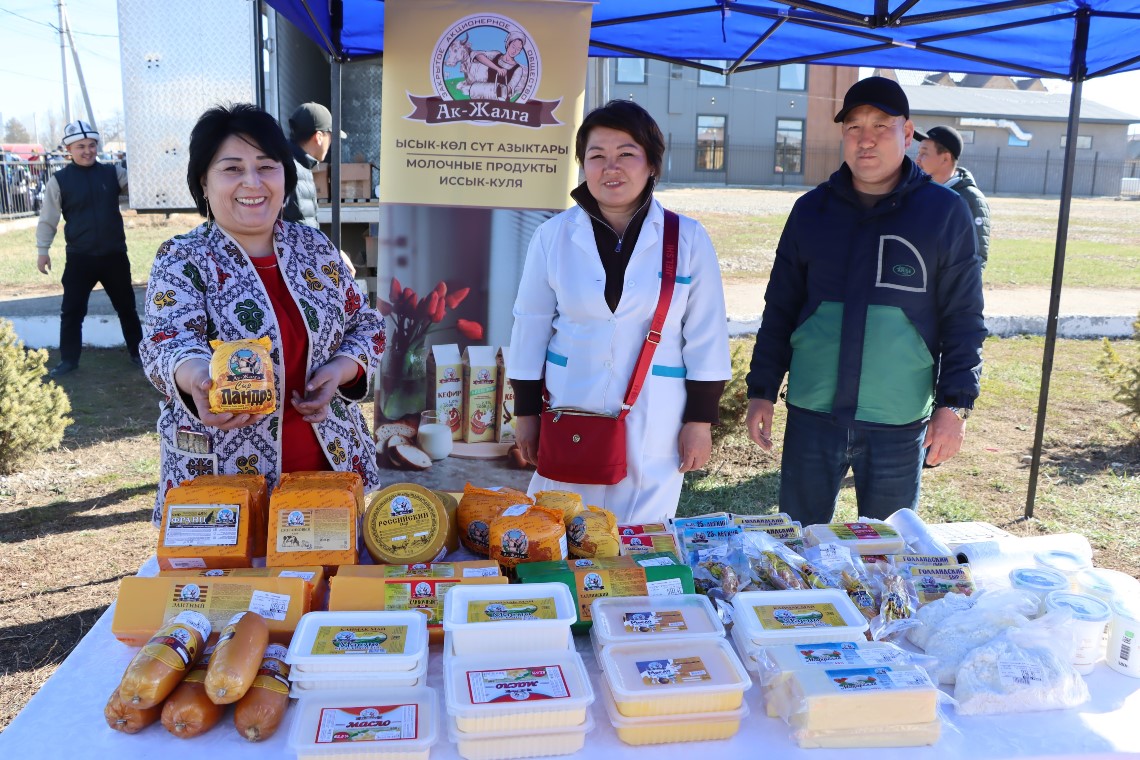
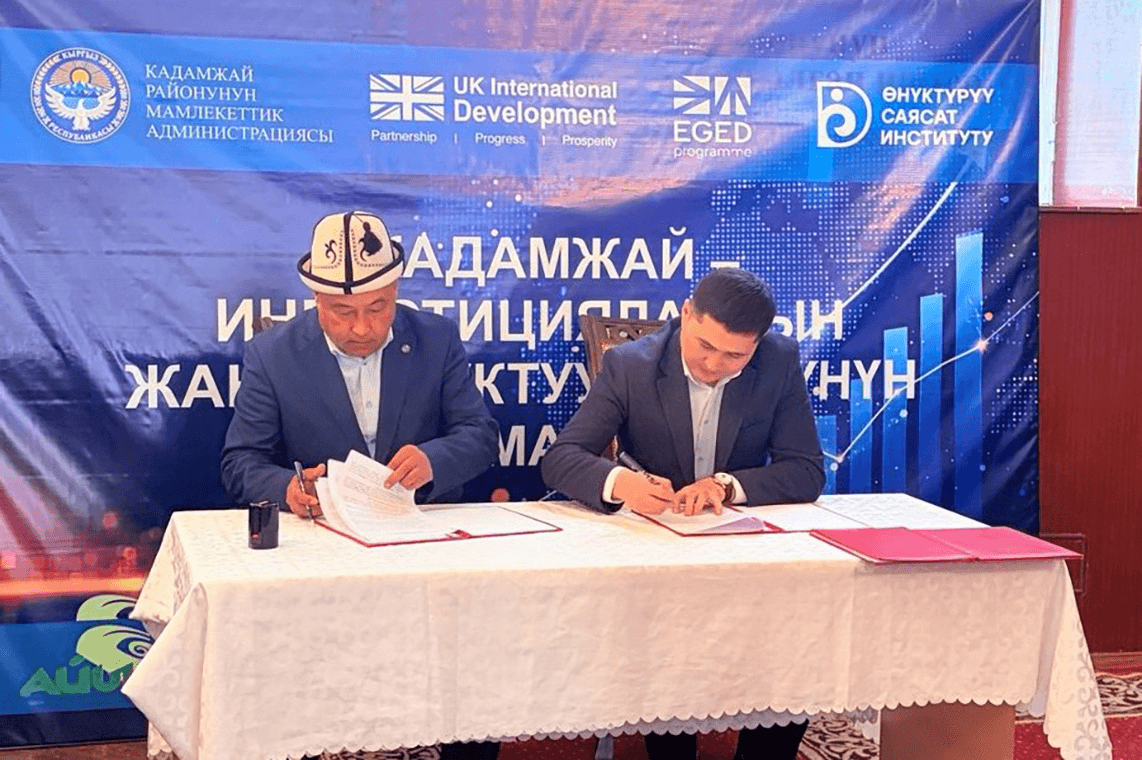
- raspberry production in Kadamjai district will double due to the effective integration of spatial and economic planning (from 1.2 thousand tons in 2024 to 2.65 thousand tons in 2027);
- budget revenues will increase by nearly 60% over three years as a result of expanded mining capacities in the Kemin district (from KGS 7.3 billion to KGS 11.5 billion).
Peer-to-peer exchange. EGED helped Kyrgyz Republic LSGs share their experience with Uzbekistan counterparts in 2024 and 2025 – MoU signed between Association of Mahallas (Republic of Uzbekistan) and Union of LSG (Kyrgyz Republic).
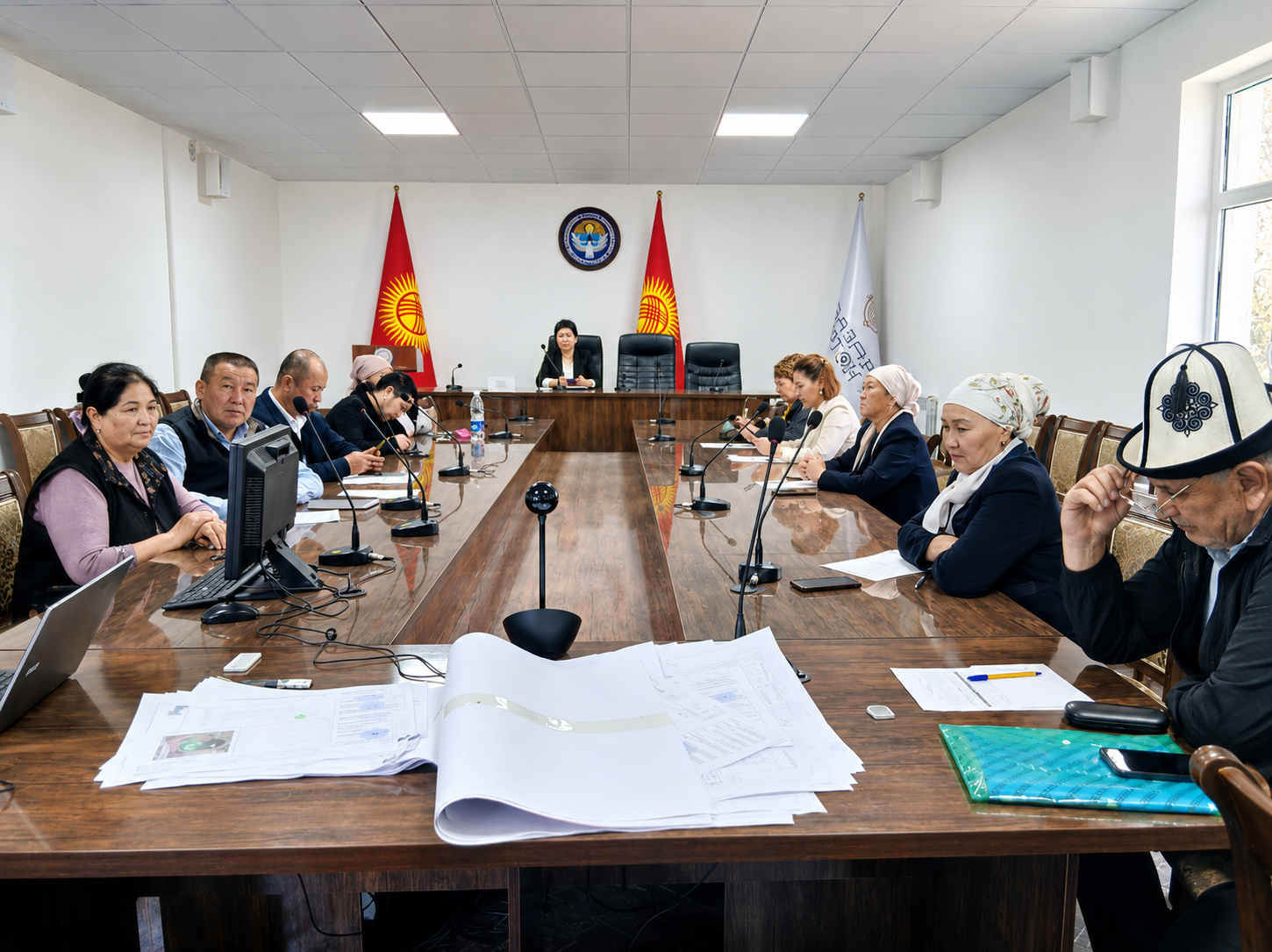
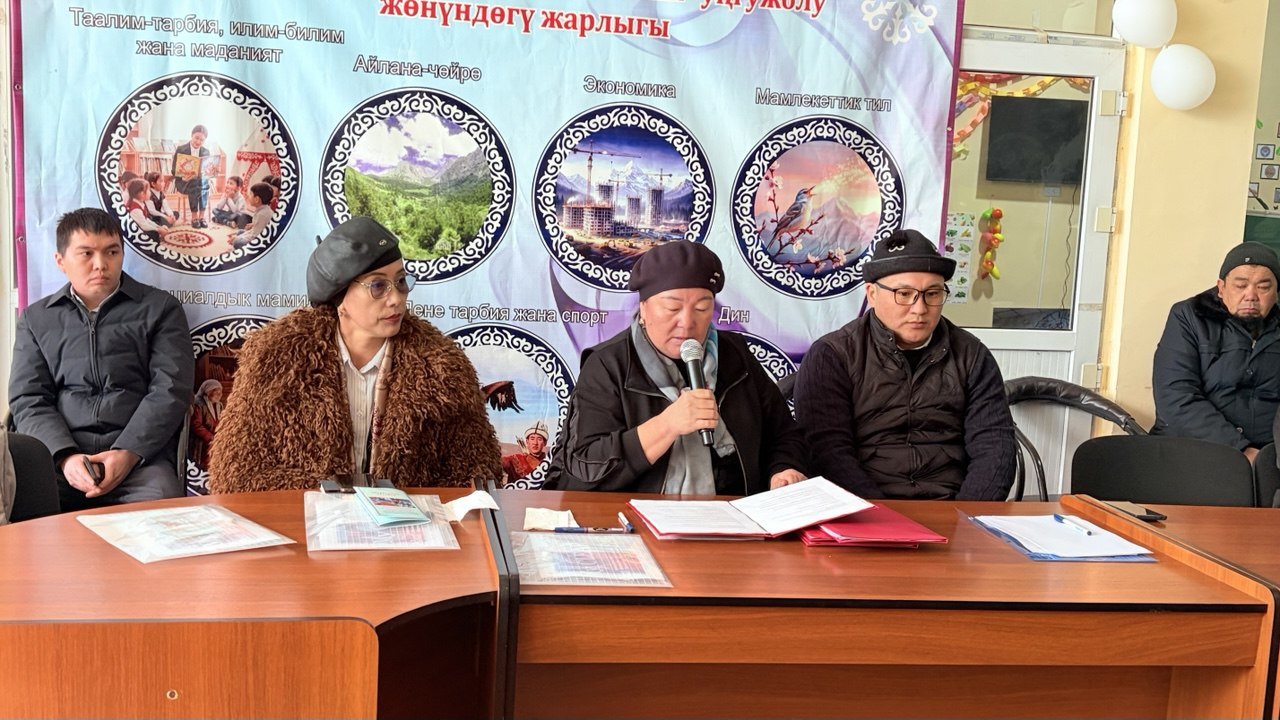
Accountability and inclusiveness. The EGED programme developed and piloted newly established Coordination Councils as a platform for dialogue between the state, local self-government, business and civil society. 600 representatives of local communities, business, and civil society in 100% LSGs took part in the development of local development programmes.
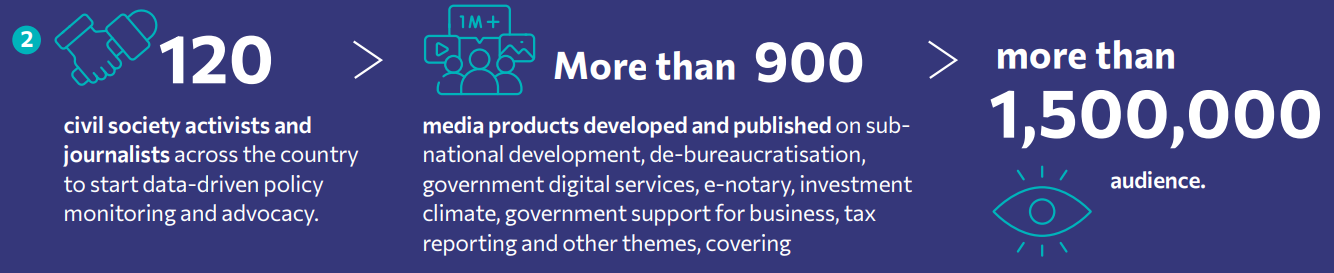
120 civil society and media activists in across the country improved their skills in data-driven monitoring and advocacy. About 250 media products developed and published on regional development, new planning methodologies, insurance, government support for business, tax reporting and other hot themes. An information campaign about innovations in governance of sub-national planning and development covered 500,000 audience in Kyrgyzstan.
[1] The automated information system “Sanarip Aimak” is designed to automate the processes of LSG activities to form the LSG passport with a brief description of the LSG body, as well as household books on the composition and welfare of families living on the territory of the specific LSG body.
[2] Before the Administrative Territorial Reform in 2024.
Fiscal policy
Building analytical and communications capacity for macroeconomic policy. Staff of the Presidential Administration, the National Bank, the Ministry of Economy and Commerce, and the Ministry of Finance of the Kyrgyz Republic were trained in the Dynamic Stochastic General Equilibrium (DSGE3) model adapted to the specifics of the Kyrgyz Republic economy DSGE model is now used by the NBKR to produce scenarios to inform the monetary policy.
EGED supported the NBKR to improve the methodology of measuring inflation expectations of the population. EGED helped the National Bank improve its communications policy – the management staff was trained in public communications; NBKR adopted the action plan to effective communications of monetary policy and financial stability.
Analytics/Evidence for Policy
Listening to the Kyrgyz Republic
(https://www.worldbank.org/en/country/kyrgyzrepublic/brief/l2kgz) since 2021 implemented by the World Bank. A monthly survey of about 1,500 households across the country to understand public perception of wellbeing, reforms, migration, employment, access to public service, household income, and food security. L2KGZ helps inform the Government’s decision-making in delivering social and economic reforms, poverty reduction, and improve citizen well-being. Microdata is open to the public at: https://microdata.worldbank.org/index.php/catalog/6523
The Country Gender Assessment (2023) funded by EGED generated evidence around gender inequalities and economic opportunities in labour market and entrepreneurial activity in the Kyrgyz Republic. 19 sets of policy recommendations across four clusters with an underlying call for equal opportunities for women and men.
The Subnational Poverty Assessment presented estimates of welfare indicators at the rayon level, explored the reasons behind strong growth in some rayons, including improvements in agriculture and documented reduction in agglomeration effects in the Kyrgyz Republic. Based on the evidence, it called for better-targeted social assistance, boosting agricultural growth, and revitalizing cities.
Access to Global Markets through E-commerce
EGED helped:
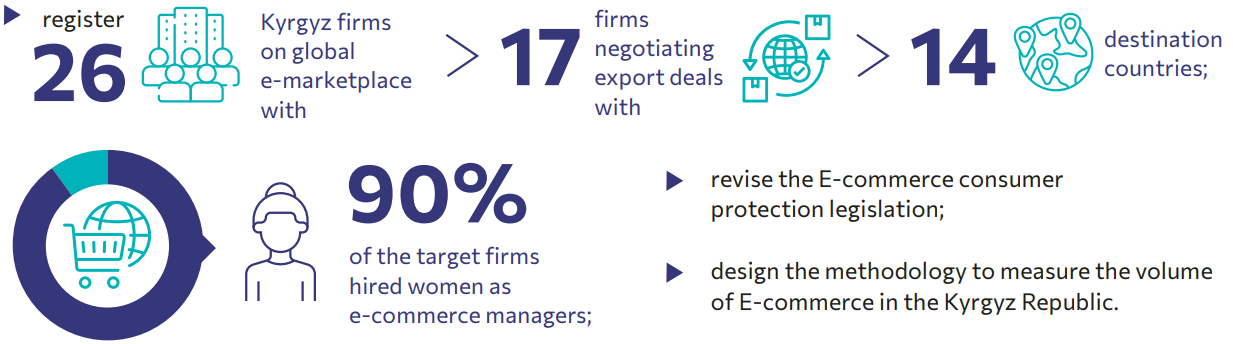
- register 26 Kyrgyz firms onto global e-marketplace with 17 firms negotiating export deals with 14 destination countries; 90% of the target firms hired women as e-commerce managers;
- revise e-commerce consumer protection legislation;
- design the methodology to measure the volume of e-commerce in the Kyrgyz
Pillar 1
|
Implementor
|
Contacts
|
|---|---|
|
FCDO |
Aida Akmatalieva British Embassy Bishkek aida.akmatalieva1@fcdo.gov.uk https://www.gov.uk/world/organisations/british-embassy-bishkek @UKinKyrgyzstan @FCDOGovUK |
|
The World Bank |
|
|
PA DPI |
Altynai Buzurmankulova |