
1. Home
  2. »
  3. Uzbekistan

Transitioning to green economy

  • Climate Change Institutional Framework Assessment;
  • Uzbekistan economy Adaptation and Resilience Assessment;
  • Air Quality Assessment and the Roadmap for Air Quality Management Improvement in Uzbekistan.


Civil society engagement.
A Policy Dialogue Group – a network of 12 civil society organizations, private sector and business associations formed to advocate for green transition.

to reduce greenhouse gas emissions developed by the Policy Dialogue Group and submitted to the Government of Uzbekistan. 14 analytical materials addressing climate and green economy challenges were published online reaching 21,751 views.

Stronger Public Finance Management

The Public Procurement Strategy, finalized with EGED Programme support, establishes the foundation for more transparent, inclusive ( which includes people with disabilities) and efficient procurement. Both of these reforms demonstrate signs of openness to civil society and the private sector. EGED Programme has helped to set up a procurement monitoring group to build a community that can ultimately find opportunities to drive changes.

The EGED programme conducted training for the media in data journalism, as a result of which analytical and data materials on the effectiveness of public procurement appeared in the media space of Uzbekistan. Increased transparency in the public procurement process counters corruption and helps save public finances

Better public procurement

EGED also supported the Government of Uzbekistan to design 2025-2027 Public Procurement Strategy mainstreaming transparency, digitalisation, ‘green’ procurement, counter-fraud and conflict of interest, and compliance controls.

A 28-member procurement monitoring group developed a Public Procurement Monitoring Guide shared with the Anti-Corruption Agency of the Republic of Uzbekistan.

Access to global markets through e-commerce

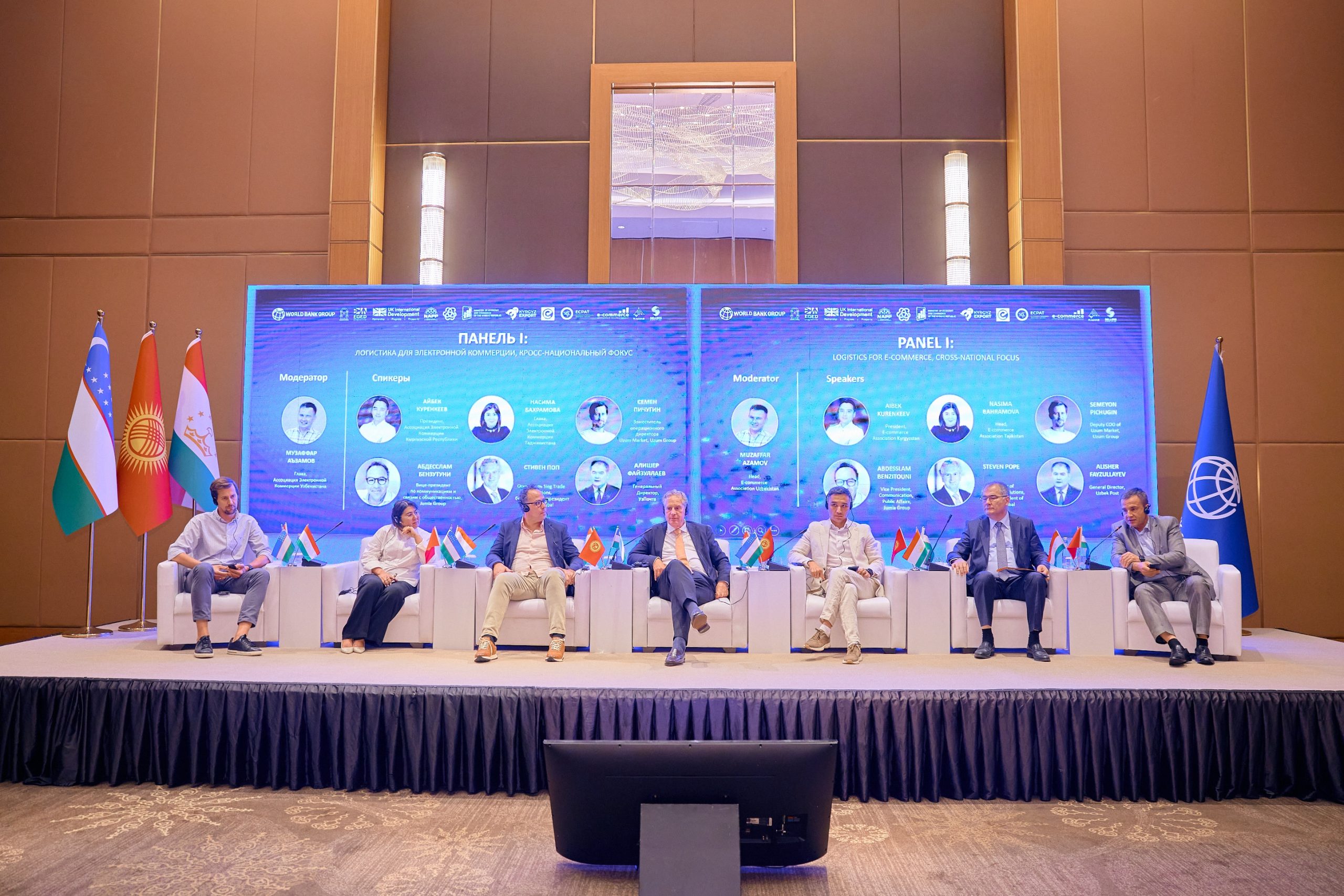
4 Uzbek firms started B2B sales on a global e-marketplace reaching USD 5 million in deals (contracted and negotiated) with 14 countries. 20% of supported firms created new e-commerce roles, 80% of whom are women.

Support to WTO accession

The EGED Programme will develop the Computable General Equilibrium (CGE) model to help the government of Uzbekistan evaluate the macroeconomic effects of policy changes required for acceding to the WTO. Additionally, the Programme will help conduct the Global Income Distribution Dynamics (GIDD) analysis using household survey data to assess micro-level impacts of joining the WTO.

Privatisation of state-owned enterprises (SOE)

  • assisted to review the impact of SOEs on Uzbekistan economy;
  • is helping assess the outcomes of 2021-2025 SOE Privatisation Strategy; and
  • design 2026-2030 SOE Optimisation and Privatisation Strategy.

Labour legislation reform

Monitoring the implementation. A group of 22 experts (50% women and youth) formed to facilitate dialogue between the Government and civil society to monitor implementation of the new Labour Code and propose improvements. Monitoring of labour rights enforcement conducted.

7 analytical materials addressing challenges of enforcing the labour legislation published online.

A survey of up to 500 mid-size and large firms on hiring practices expected in 2025.

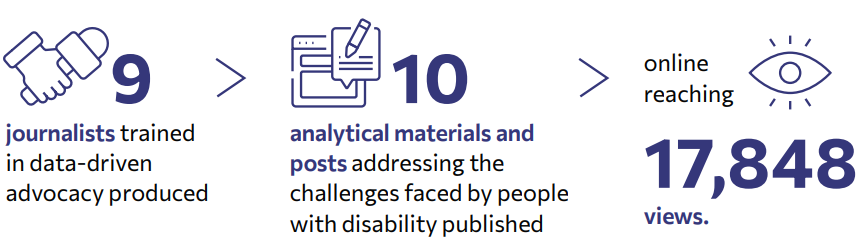
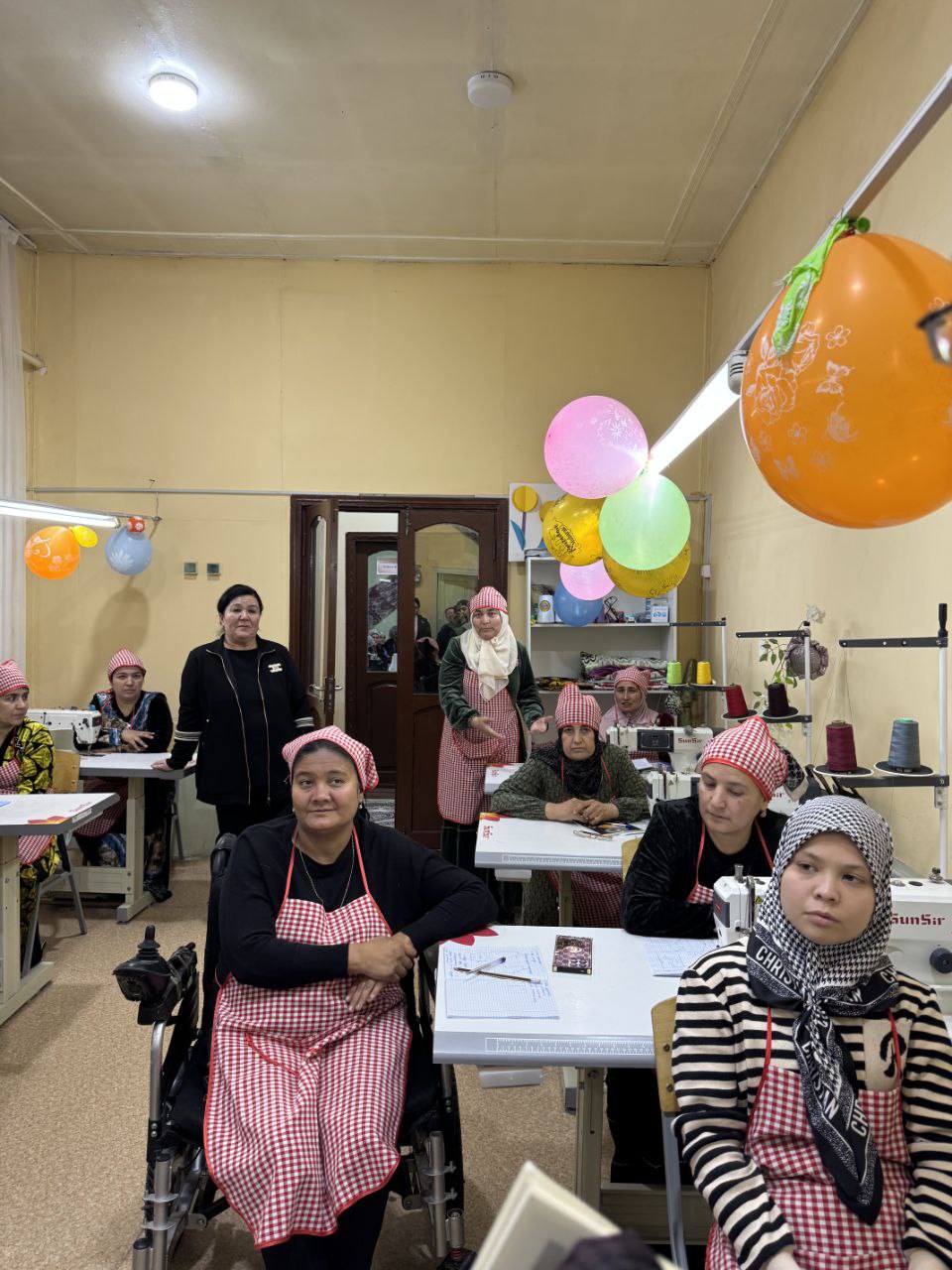
Economic empowerment of people with disability

Tracking delivery on reform priorities

EGED Programme helped: (i) develop a progress tracking dashboard; and (ii) deliver a workshop on Data Analytics and AI in the Public Sector that looked at National Data Governance System and Public Investment Management Information System (PIMIS) geoportal and trained 60 public officials in data science and machine learning.

Analytics/Evidence for policy

Since 2020 EGED funds the Listening to the Citizens of Uzbekistan (https://www.worldbank.org/en/country/uzbekistan/brief/l2cu) implemented by the World Bank.

A monthly survey of about 1,500 households across the country to understand public perception of wellbeing, reforms, migration, employment, access to public service, household income, and food security.

L2CU helped inform the energy tariff reform, labour legislation revision, and poverty reduction. L2CU microdata open to the public at https://microdata.worldbank.org/index.php/catalog/6412 updated quarterly on the World Bank Microdata Library. The L2CU dashboard expected to go live in summer 2025. In 2025 the World Bank introduced the Project Target Index – a mahalla-level tool to pinpoint areas most in need and guide tailored interventions.

Country Gender Assessment

EGED supported the Country Gender Assessment identify disparities in economic opportunities between women and men. 33 policy recommendations to address gaps were put forward.

The assessment fed into revisions to the Labour Code, landing provisions on equal pay for equal work and explicit prohibitions against gender discrimination during hiring process.

iSOEF Assessment

EGED Programme assisted the Government of Uzbekistan in surveying 3185 state-owned enterprises to inform the Government about their fiscal burden, corporate governance, profitability, productivity, impact on markets/competition and private sector, and the poor.

Pillar 1

Implementing partner:
Beneficiary partners:

National Statistical Committee

National Bank of the Kyrgyz Republic

Pillar 2

Implementing partners:

(2021 – 2024)

(2024 – 2026)

Beneficiary partners:

Media

12122026 (10)
Central Asian countries establish a regional platform for local self-government development
December 12, 2025, Tashkent. The capital of Uzbekistan hosted the first regional Forum “Local Self-Government...
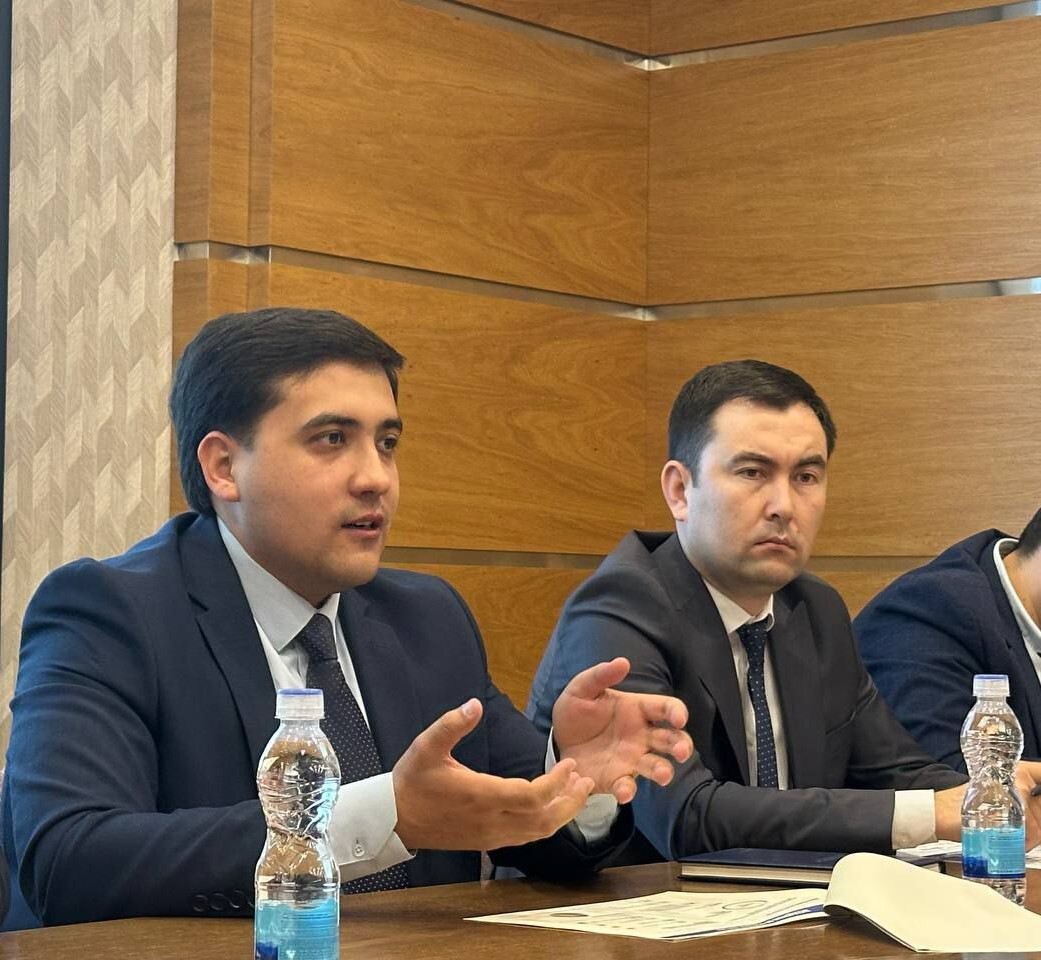
photo_52242363505832
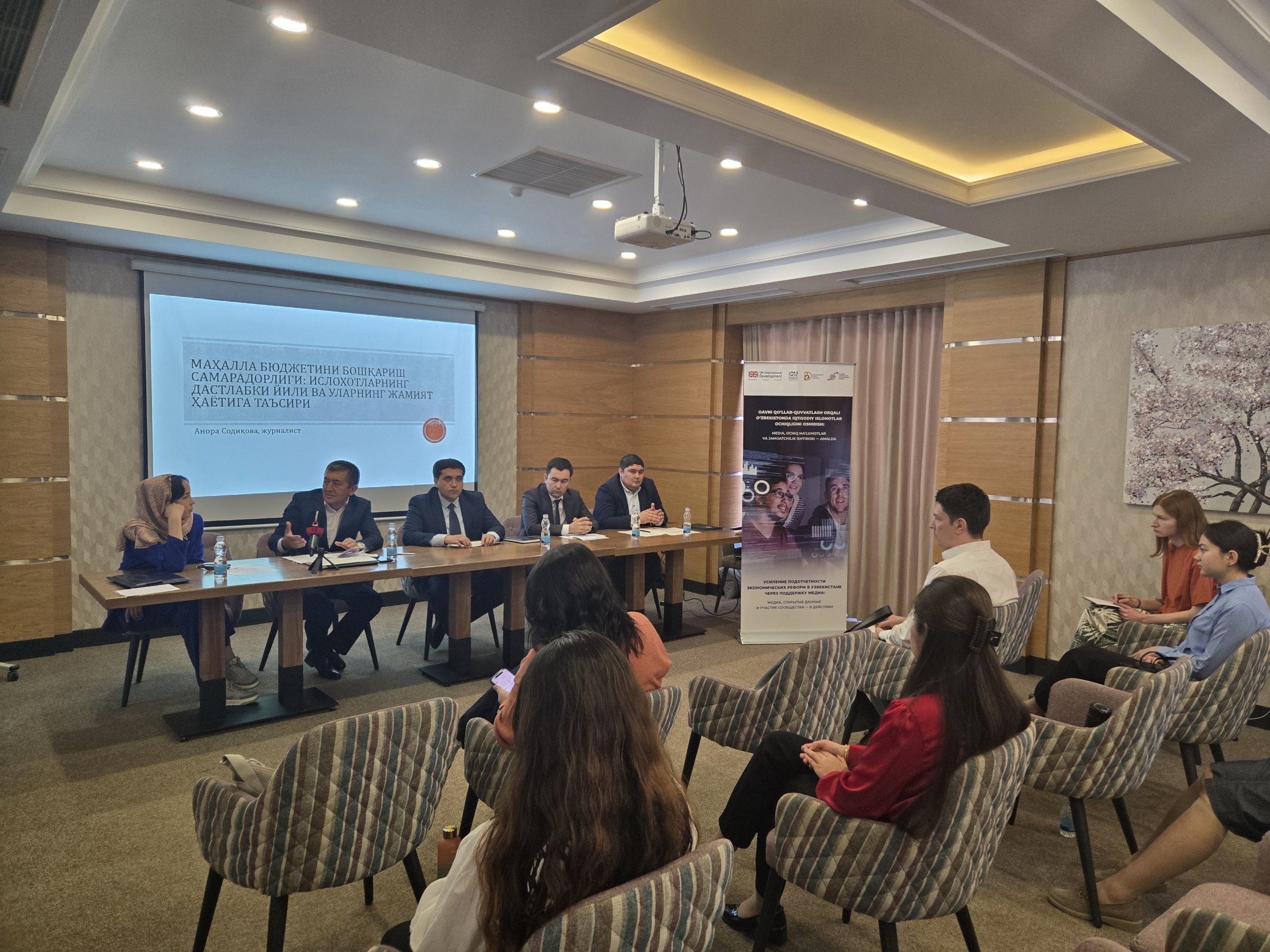
Media Dialogue Highlights the Role of Journalism in Mahalla Budget Reforms
The event explored how mahallas are now financed through local land and property taxes, with 382.7 billion...
20250417_101416
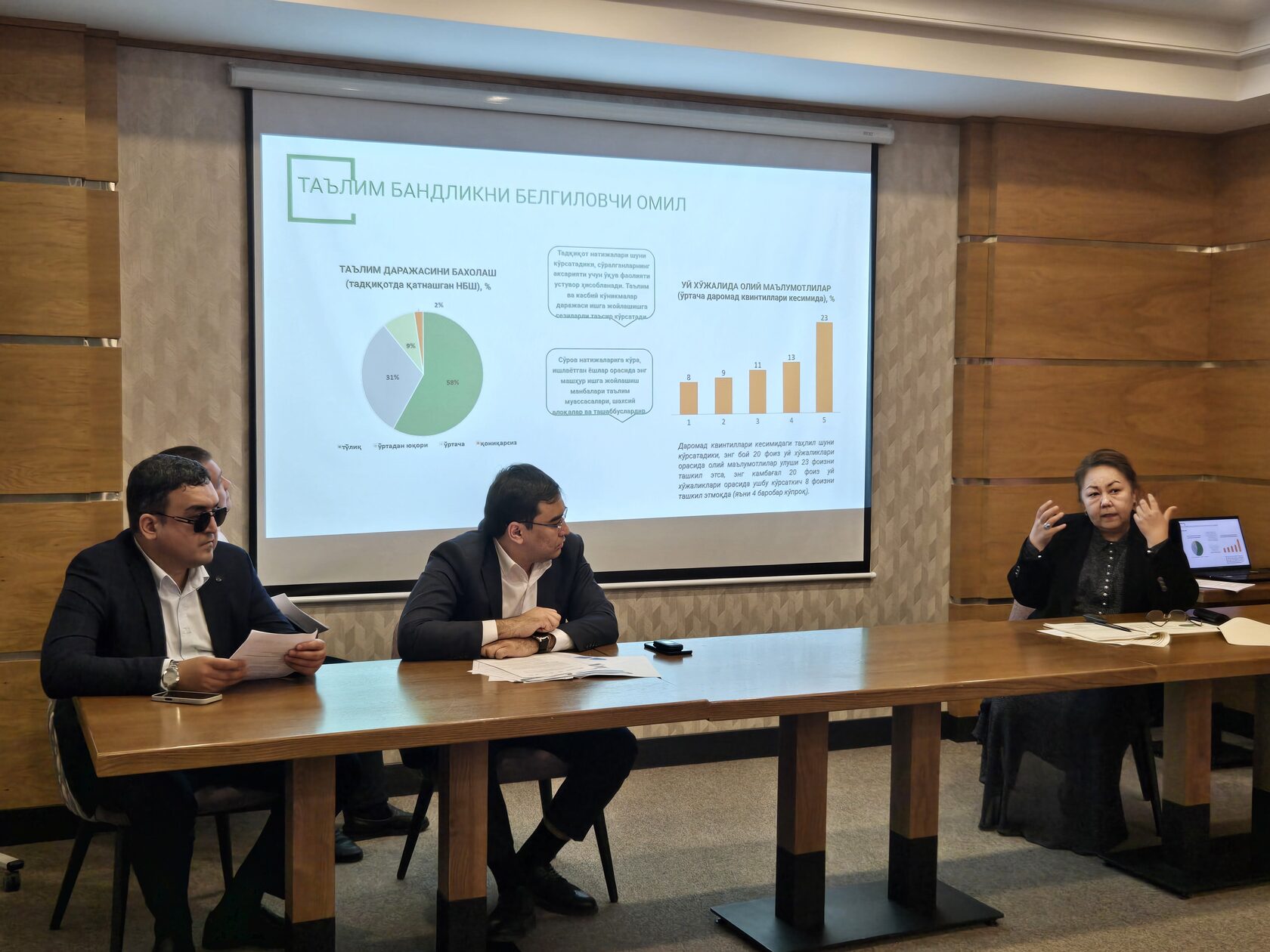
Media Dialogue on Empowering Inclusive Employment
An engaging media dialogue on inclusive employment for persons with disabilities was held in Tashkent,...

Effective Local Governance in Action: Uzbek Delegation’s Visit to Kyrgyz Republic
What Does Effective Local Governance Look Like in Action? A high-level Uzbek delegation, led by the First...
Workshop on Data Analytics and AI in the Public Sector is conducted in Tashkent
image
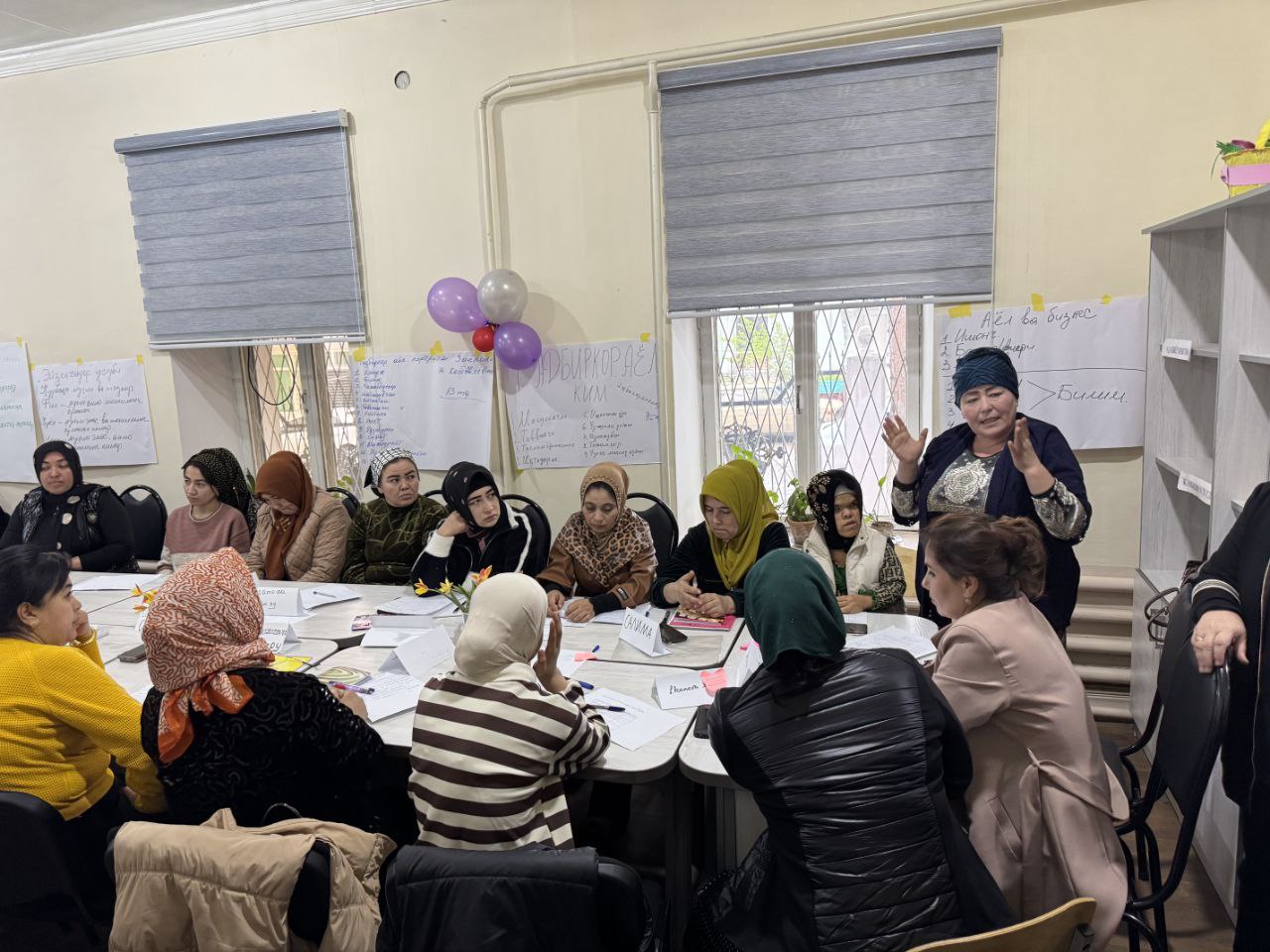
The Second Cohort of “Inclusive Horizons” Takes Off
The second group of 240 participants has begun their journey with the “Inclusive Horizons: Learning and...
image
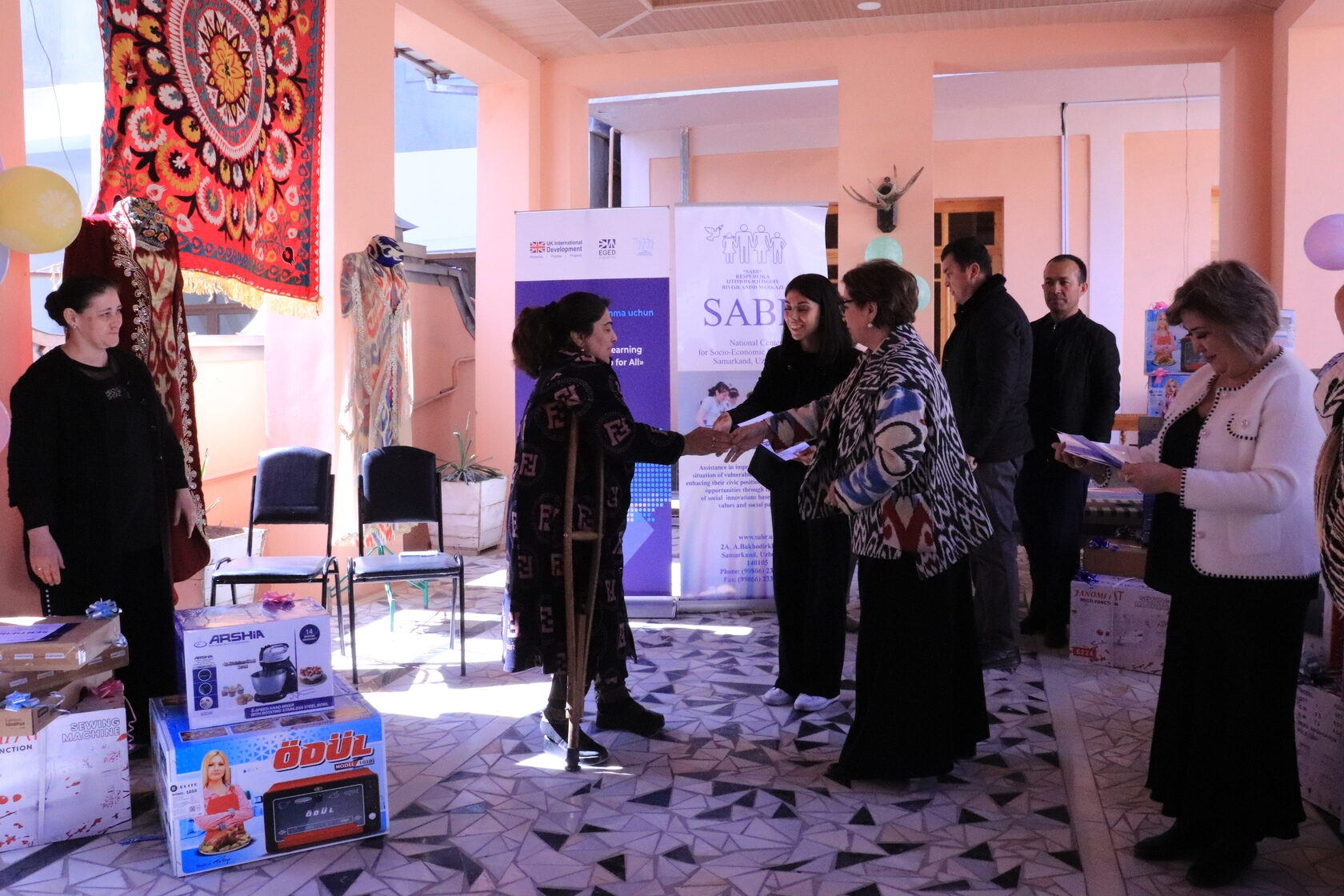
From Learning to Earning: First cohort of “Inclusive Horizons” completed training
The first group of the “Inclusive Horizons” project, implemented by the National Centre for Socio-Economic...
image
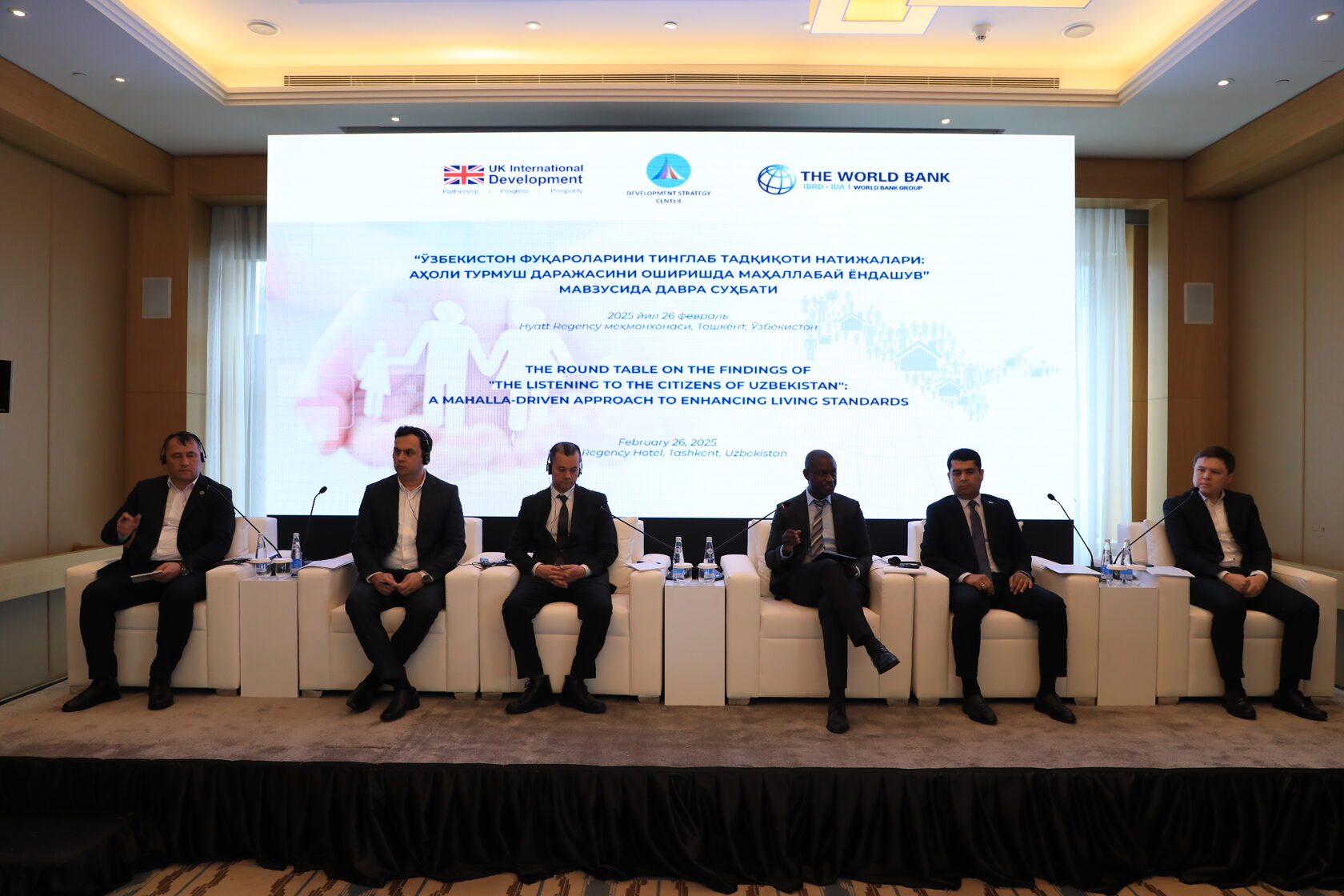
Listening to the Citizens of Uzbekistan roundtable took place in Tashkent
L2CU “A Mahalla-Driven Approach to Improving Living Standards of the Population” roundtable took...
IMG_20250514_150119_
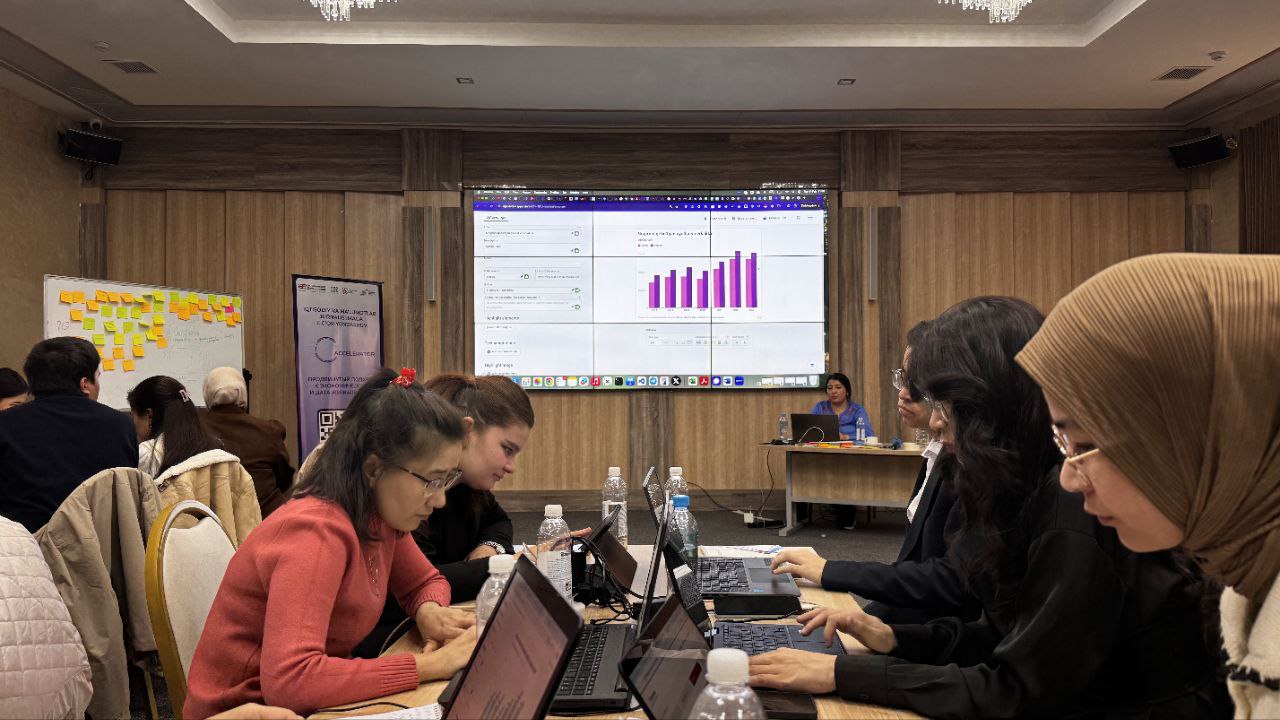
Data Accelerator: Advancing Digital and Economic Journalism
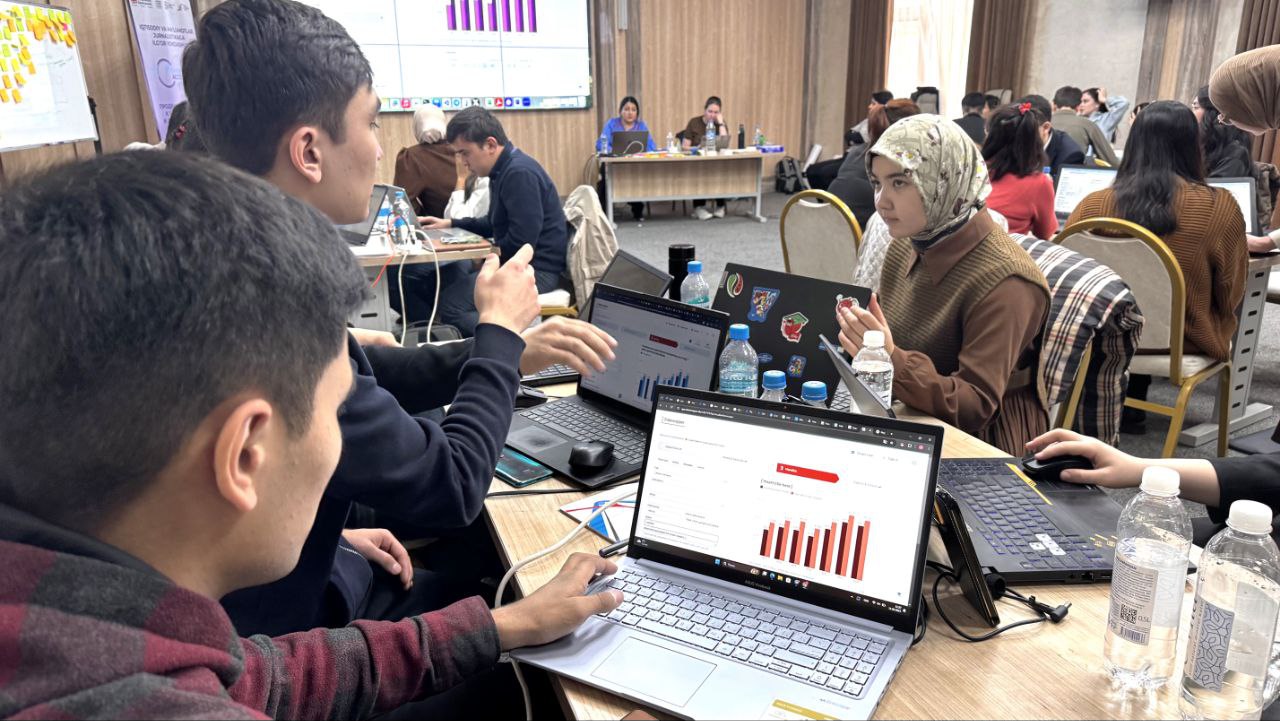
Data Accelerator trainings held in Tashkent on 9-11 February 2025 Modern Journalism Development Centre...
Listening to the Citizens of Uzbekistan Survey 2018-2025 is published
Since 2018, the World Bank’s L2CU survey, supported by the UK, gathers monthly insights from 1,500 Uzbek...