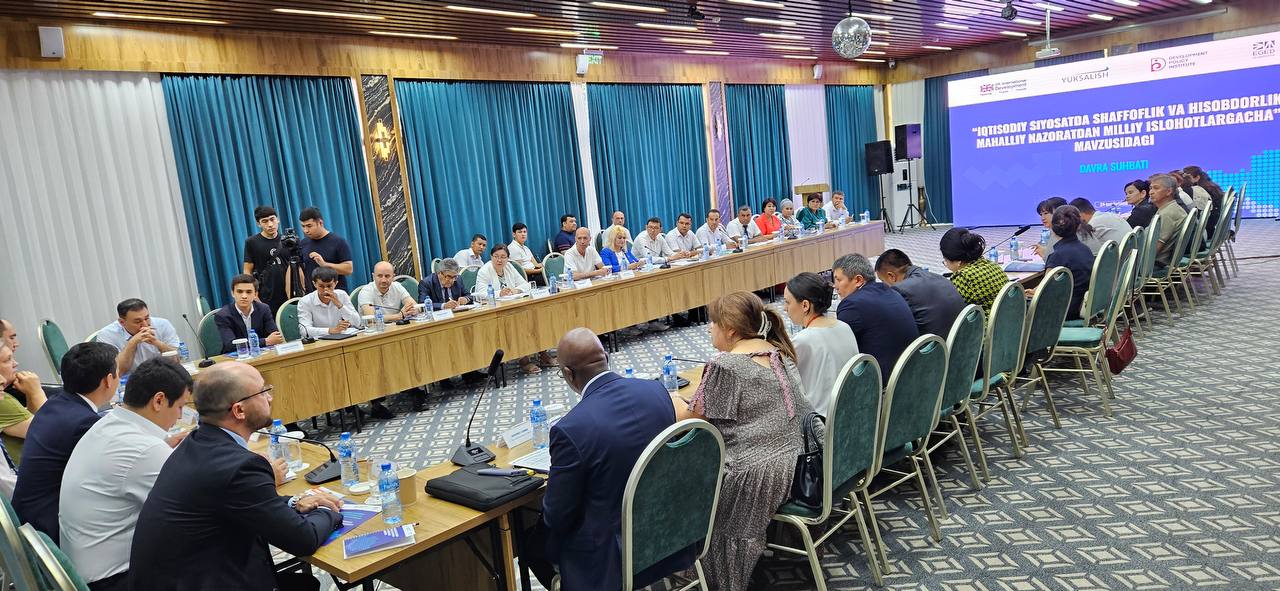



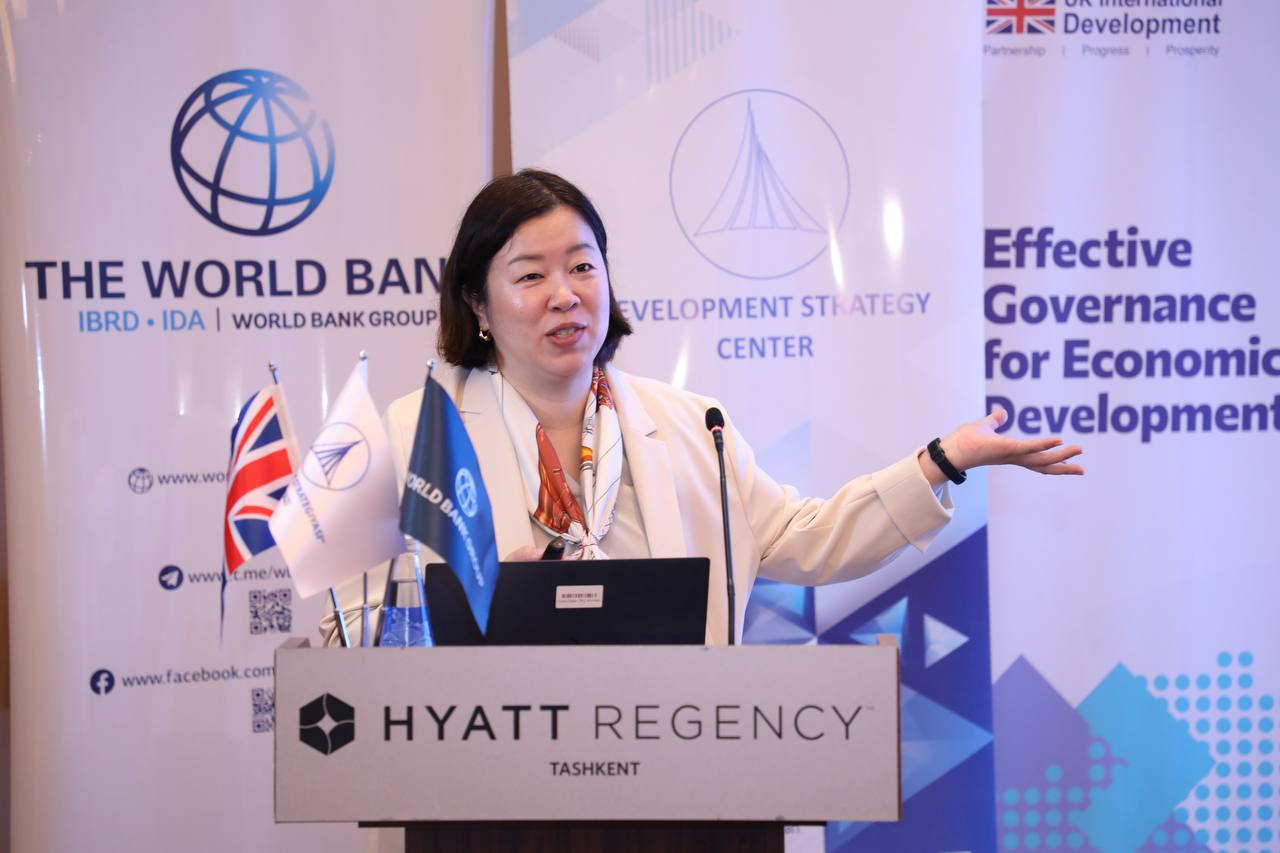
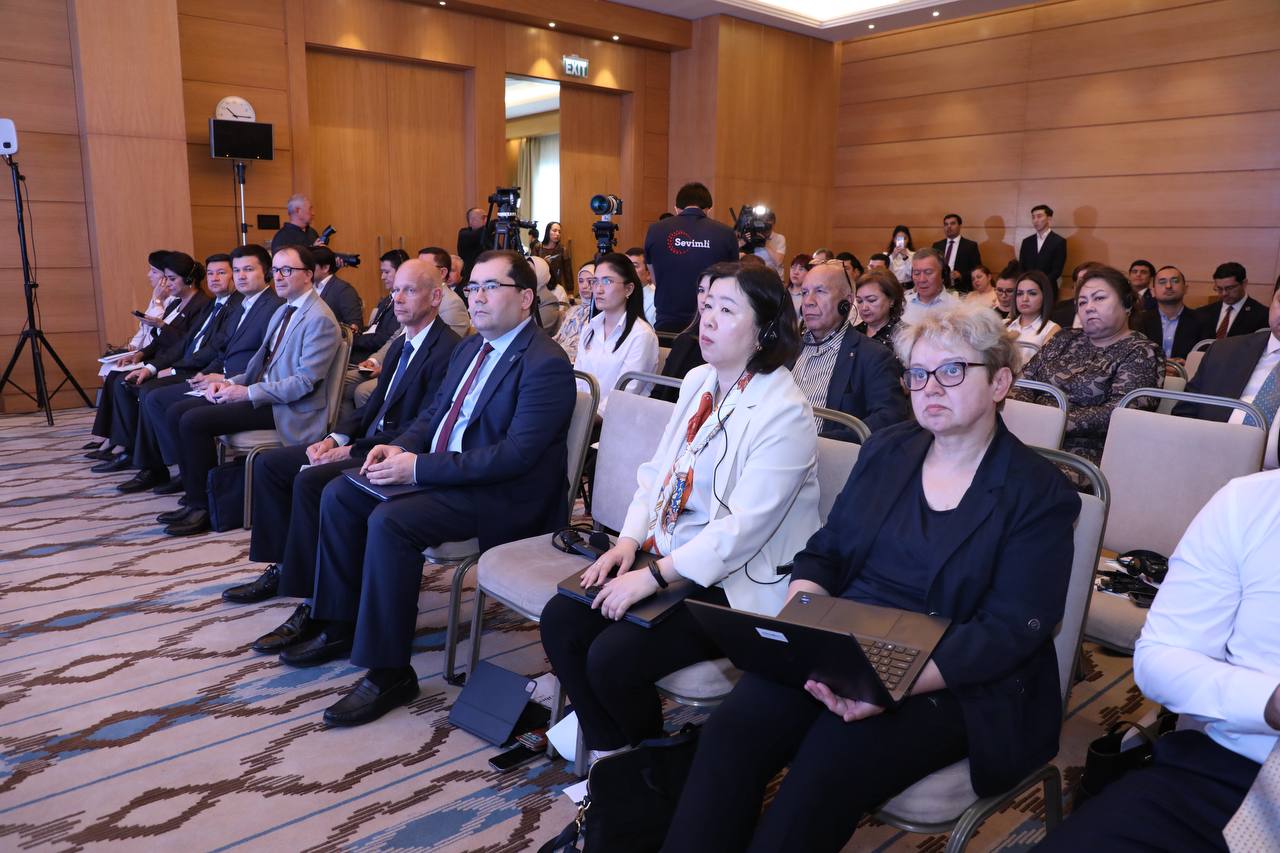
Clean air and affordable energy are becoming key public priorities in Uzbekistan. These findings were presented during the roundtable “Listening to the Citizens of Uzbekistan: Pathways to a Greener and More Energy-Efficient Future”, organised with the support of the UK Government’s EGED Programme. The event brought together representatives of government institutions, the World Bank, development partners and experts to discuss evidence-based solutions for improving air quality and advancing energy reforms.
Presenting the latest findings from the Listening to the Citizens of Uzbekistan (L2CU) survey, World Bank Senior Economist Ikuko Uochi highlighted that Uzbekistan has achieved strong economic progress, with the national poverty rate falling from 8.9% in 2024 to 5.8% in 2025, while 92% of citizens remain optimistic about the country’s economic future.
However, Ms. Uochi stressed that economic growth must go hand in hand with improving people’s quality of life: “Listening to citizens helps ensure that reforms respond to people’s real priorities and improve everyday lives”.
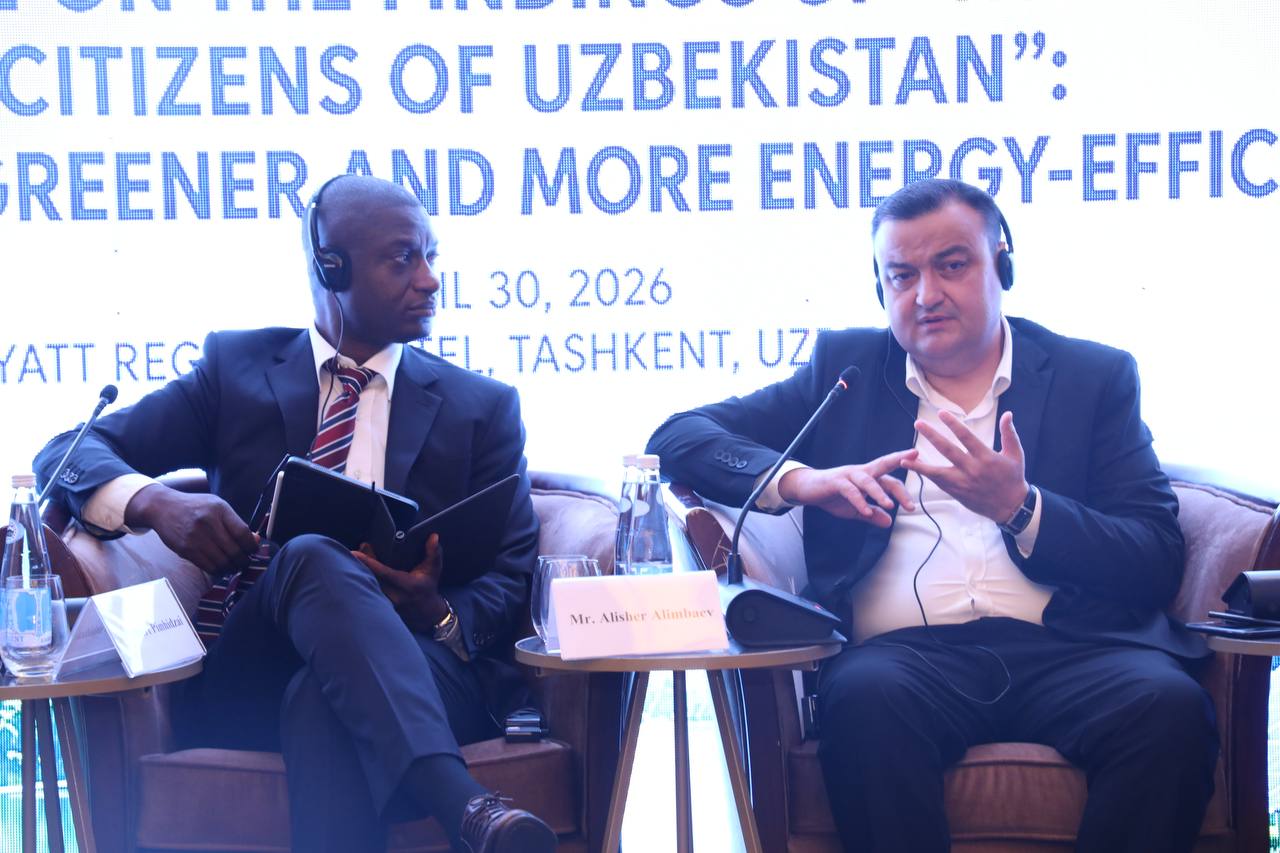
The discussion showed that environmental challenges are among those priorities. Seventy-four percent of respondents consider air pollution a serious health risk, while 82% say they are willing to take action to reduce its impact. At the same time, 81% believe that energy-efficient technologies can help lower household energy bills.
These findings point to a clear pathway forward: combining public awareness, evidence-based policymaking and practical investments in energy efficiency can simultaneously improve public health, reduce household costs and support Uzbekistan’s green transition.
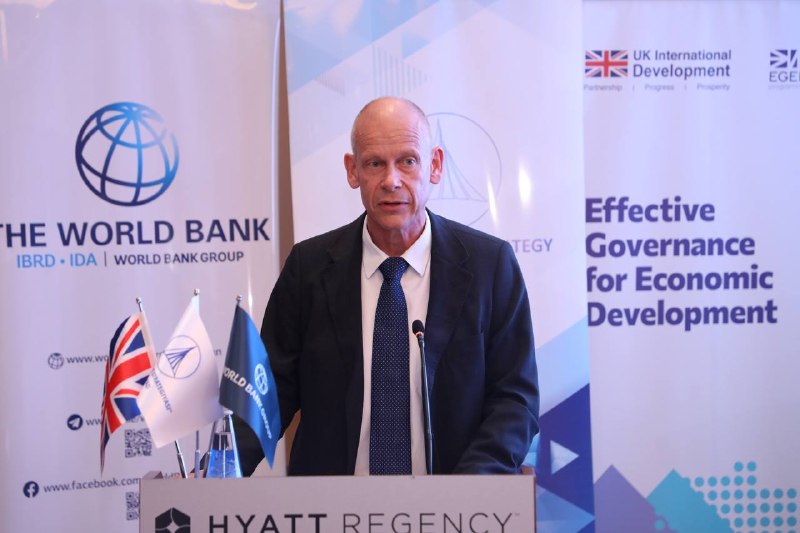
Through the EGED Programme, the UK Government supports Uzbekistan in strengthening evidence-based policymaking, improving air quality and advancing energy reforms that respond to citizens’ needs.