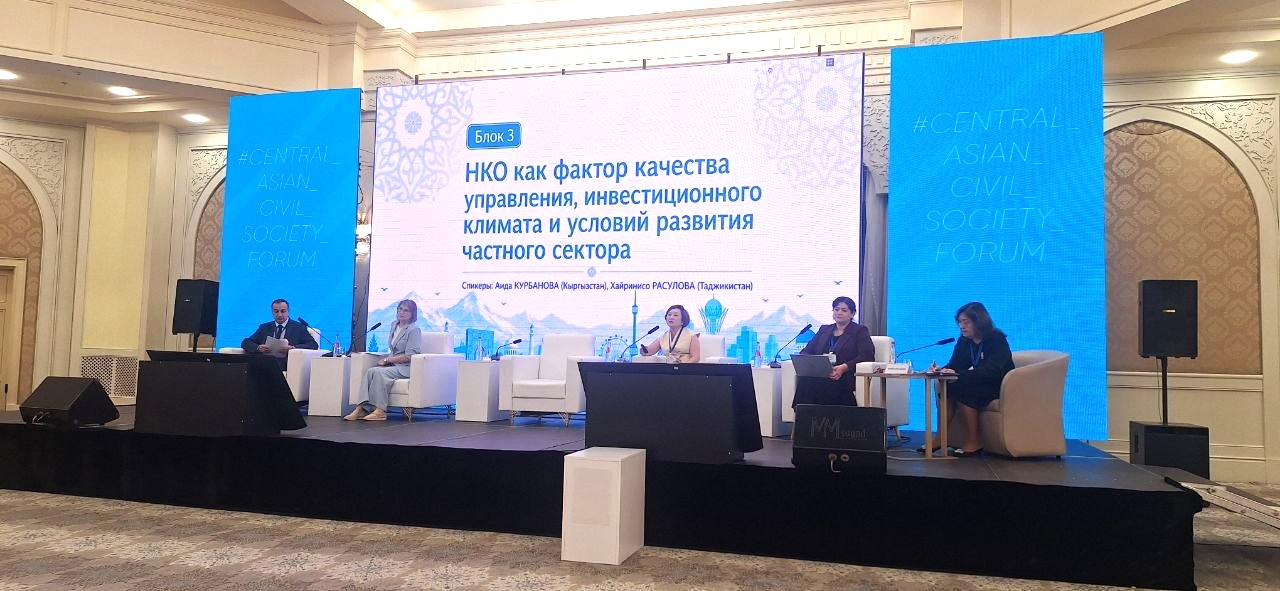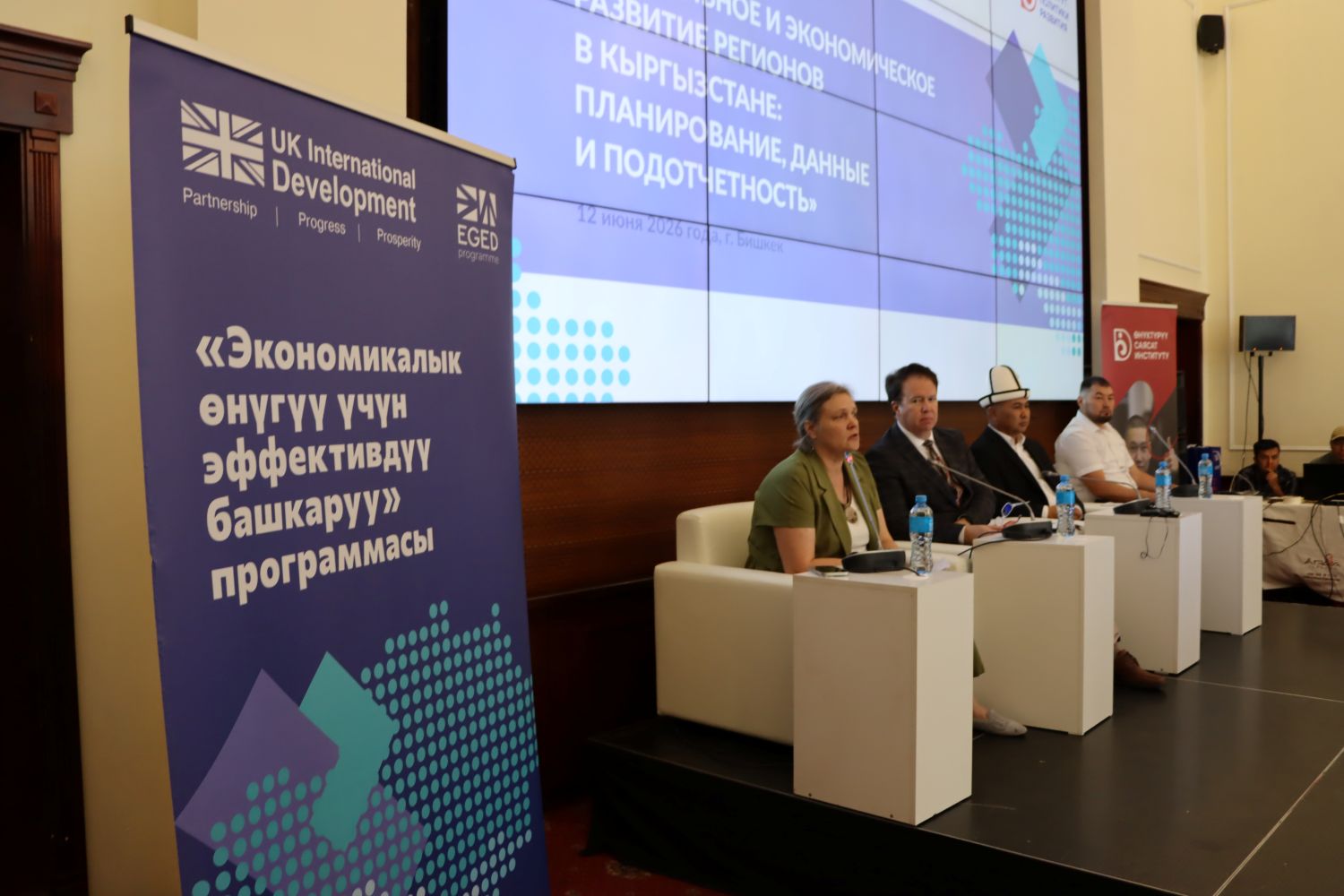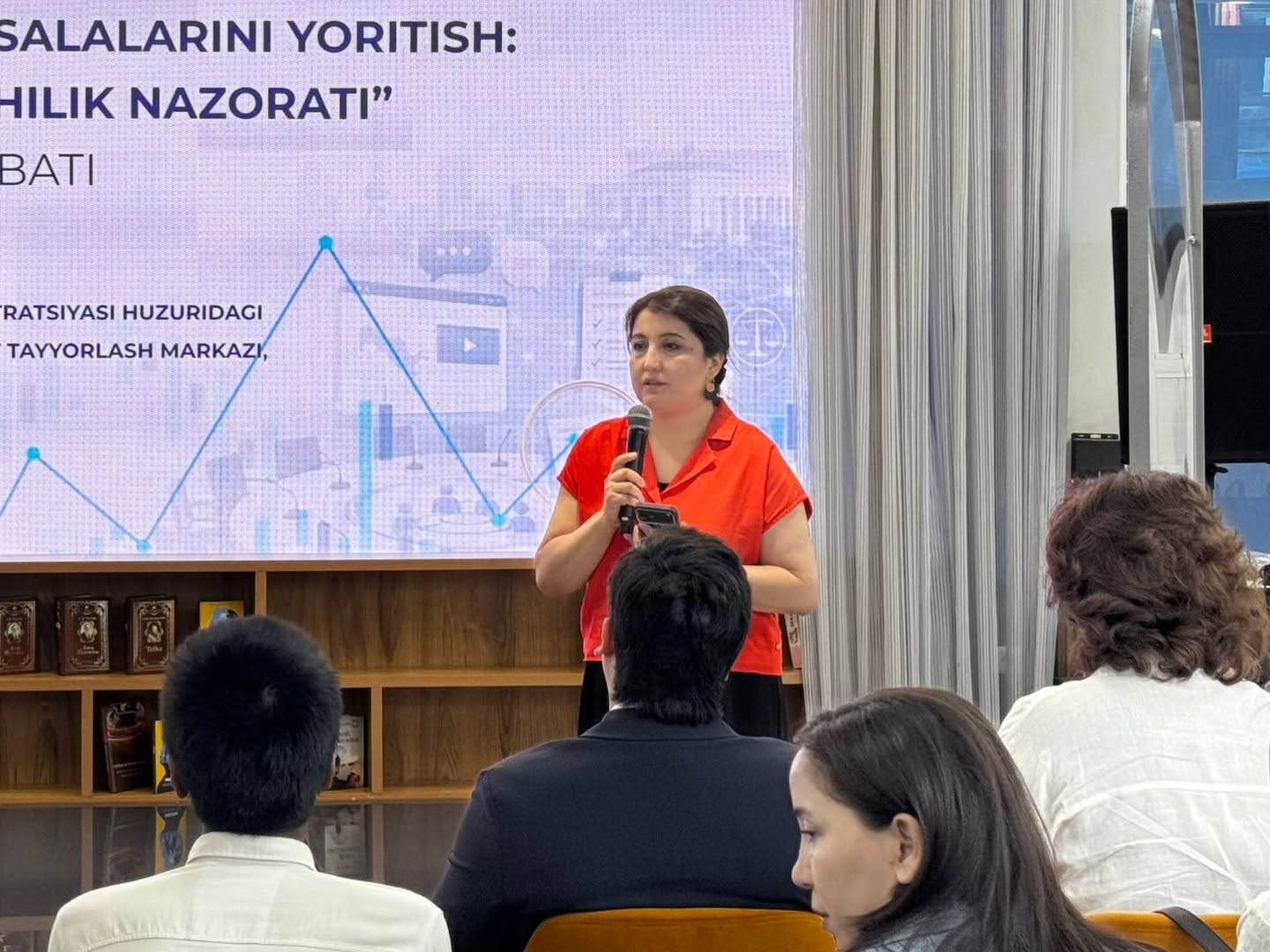



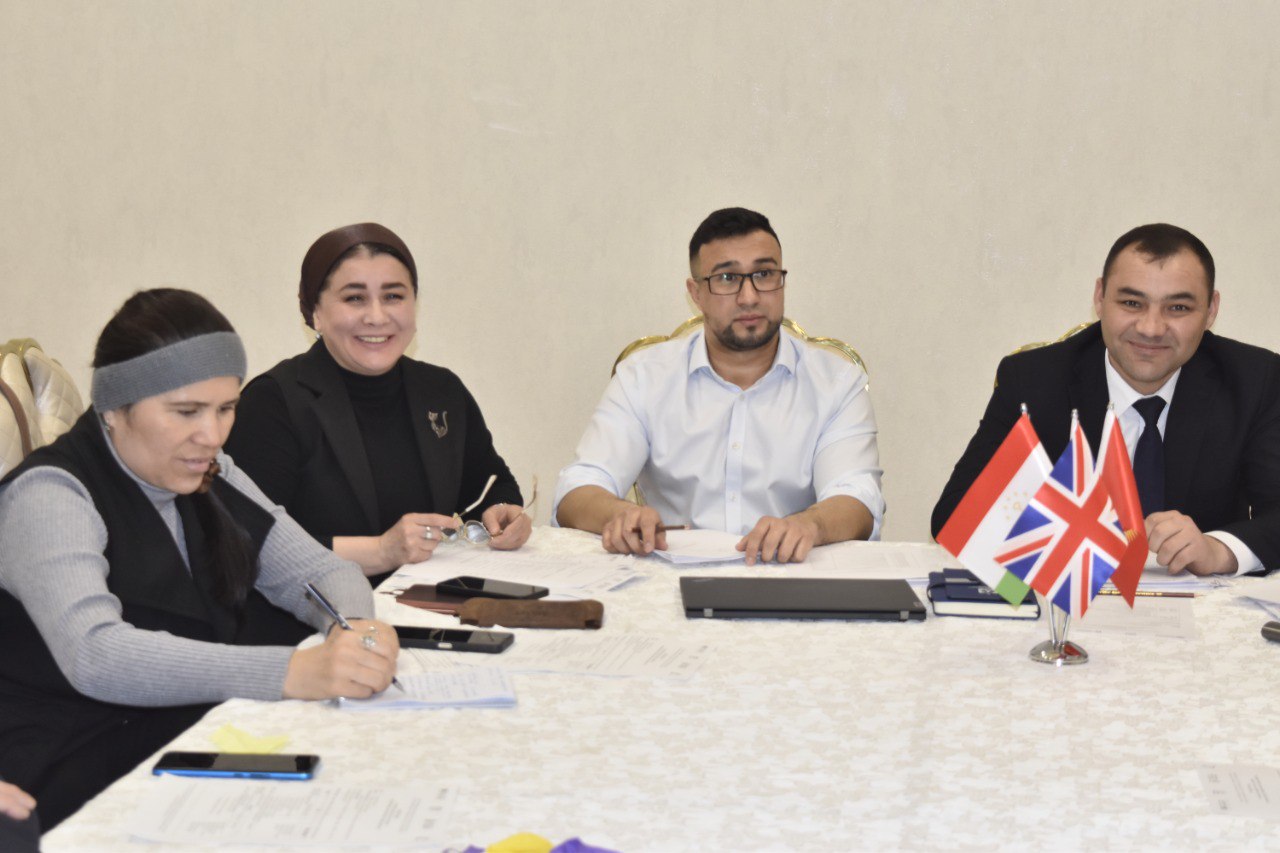
On 10 March 2026, a business initiative pitching session was held in Khujand as the final stage of the mini-grants competition under the project “Supporting Subnational Economic Growth and Improved Public Service Delivery in Tajikistan”. The project is implemented by the PO “Saodat” in partnership with the DPI under the EGED Programme, funded by the UK Government.
The pitching session marked the final phase of selecting business initiatives aimed at promoting entrepreneurship, creating new jobs, expanding economic opportunities for local communities, and strengthening local economies in the pilot jamoats of Kanibadam City and Jabbor Rasulov District.
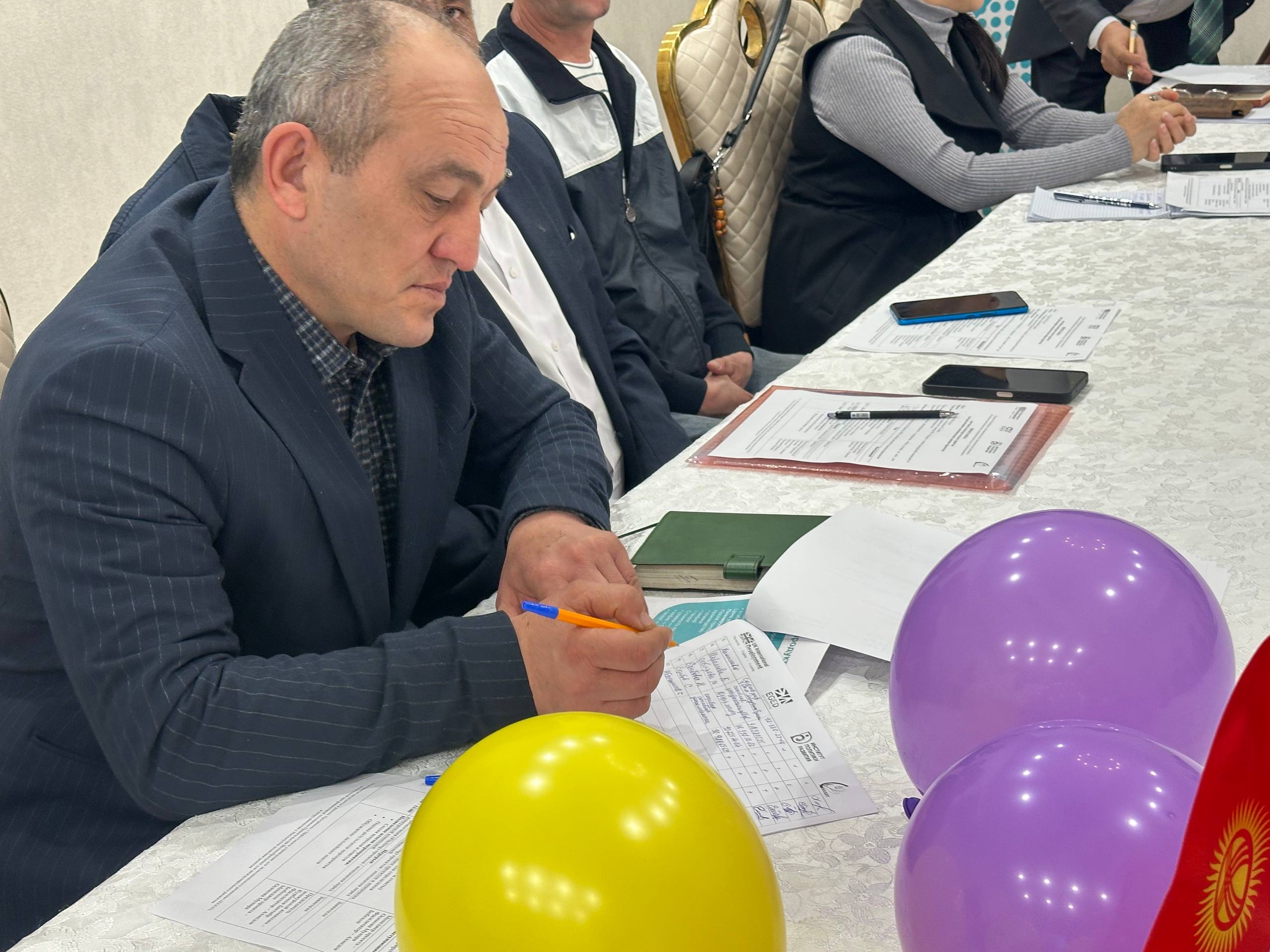
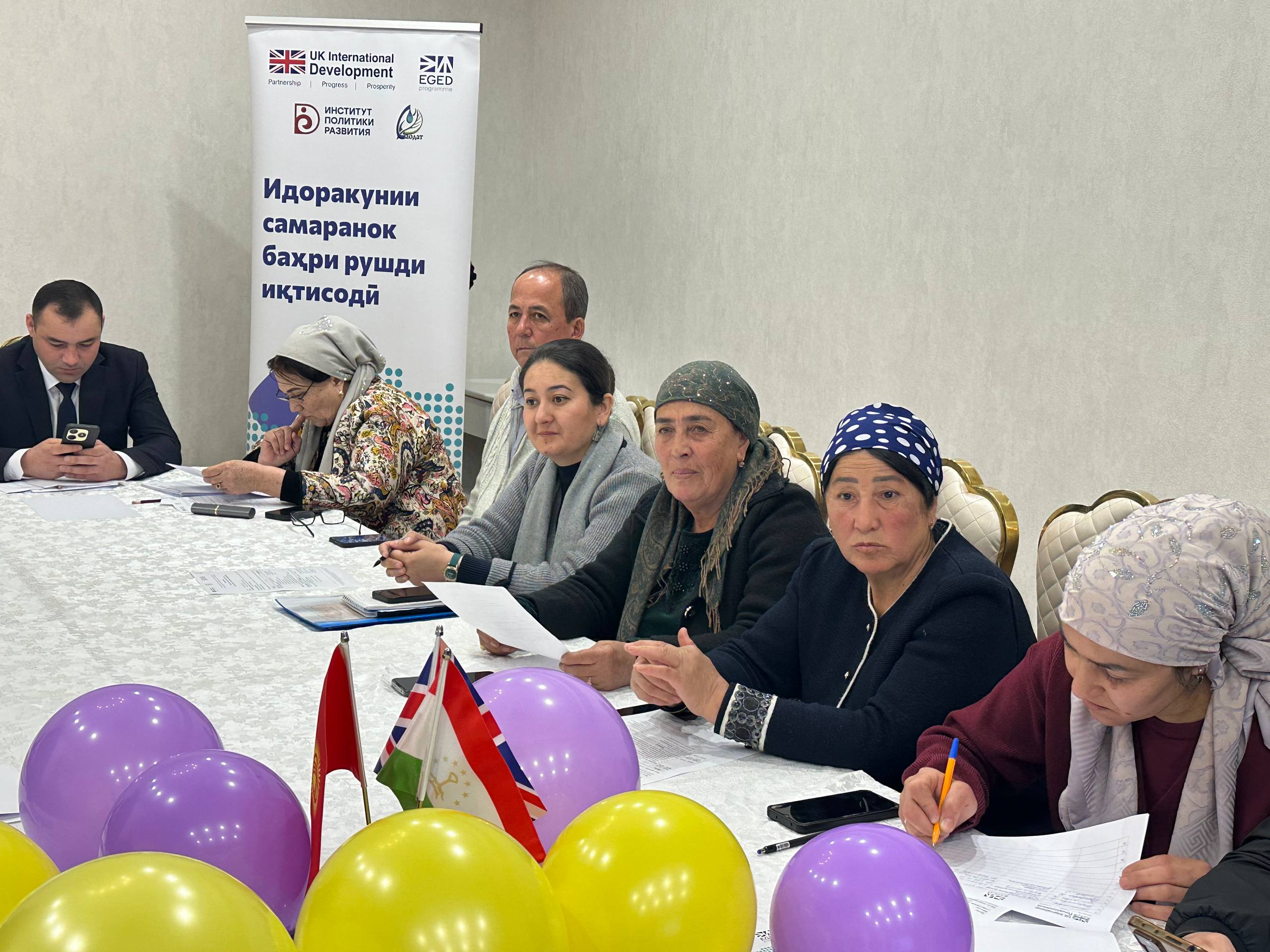
The competition brought together representatives of local communities, members of the selection committee, independent experts, and partner organizations. Particular attention was given to initiatives with the potential to generate sustainable economic impact, increase household incomes, and support the development of promising small businesses.
The mini-grants competition was designed to stimulate local economic development by supporting community-driven initiatives, expanding opportunities for entrepreneurs, and promoting transparent mechanisms for allocating development resources. This approach contributes to a more effective model of local economic development based on community initiative and partnerships between local authorities, civil society, and the private sector.
Key Results:
- 13 business proposals were submitted to the competition;
- 8 highest-scoring projects, following an independent expert assessment, were shortlisted for the final pitching session;
- 5 members of the selection committee conducted the preliminary evaluation of applications;
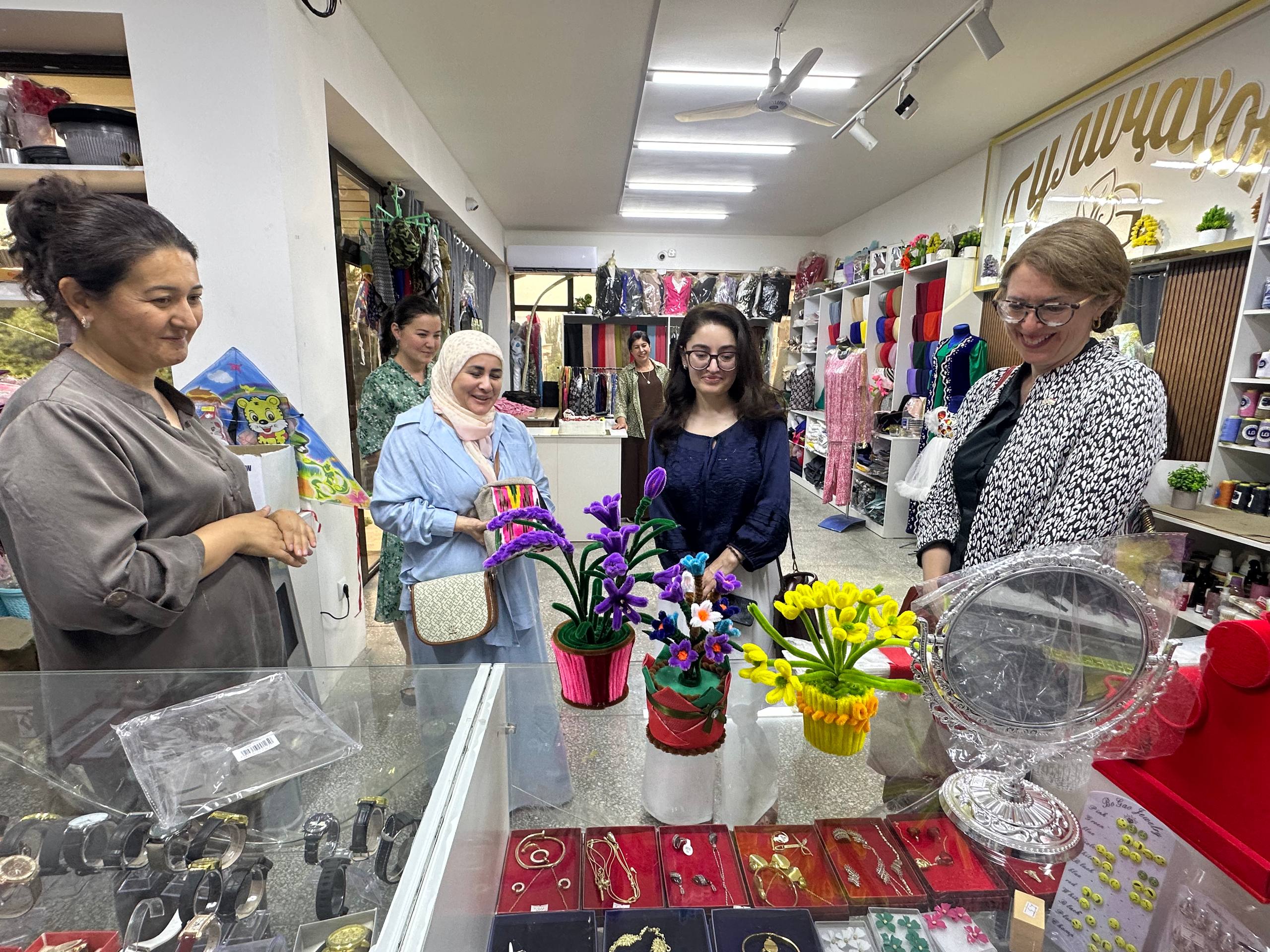
- The proposed initiatives covered a range of sectors, including beekeeping, poultry farming, agricultural processing, livestock production, garment manufacturing, and other small business activities.
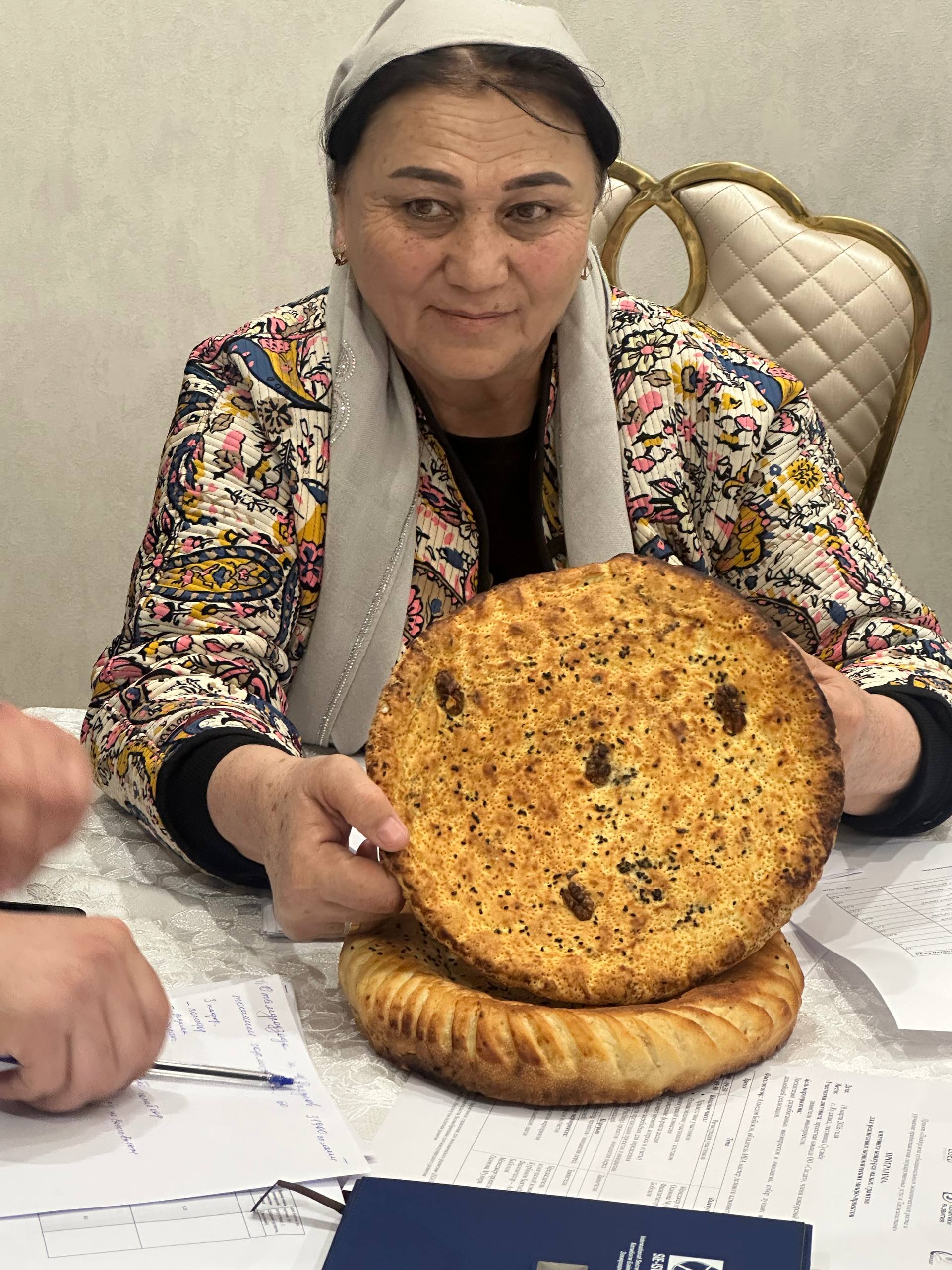
During the pitching session, participants presented their business plans, outlined the expected economic and social benefits of their initiatives, and responded to questions from the selection committee. The final funding decisions were informed by both the presentations and the expert recommendations provided during the session.
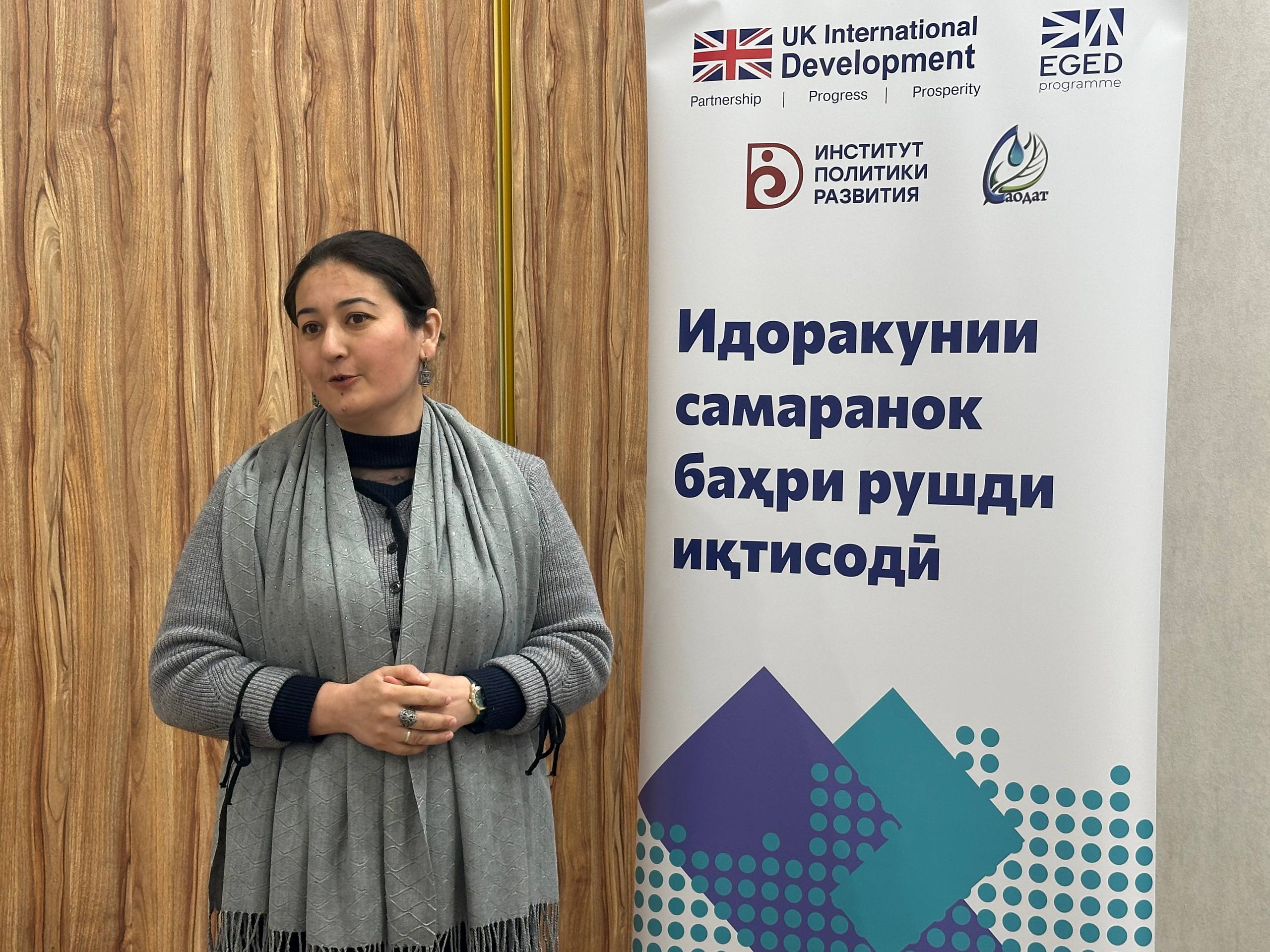
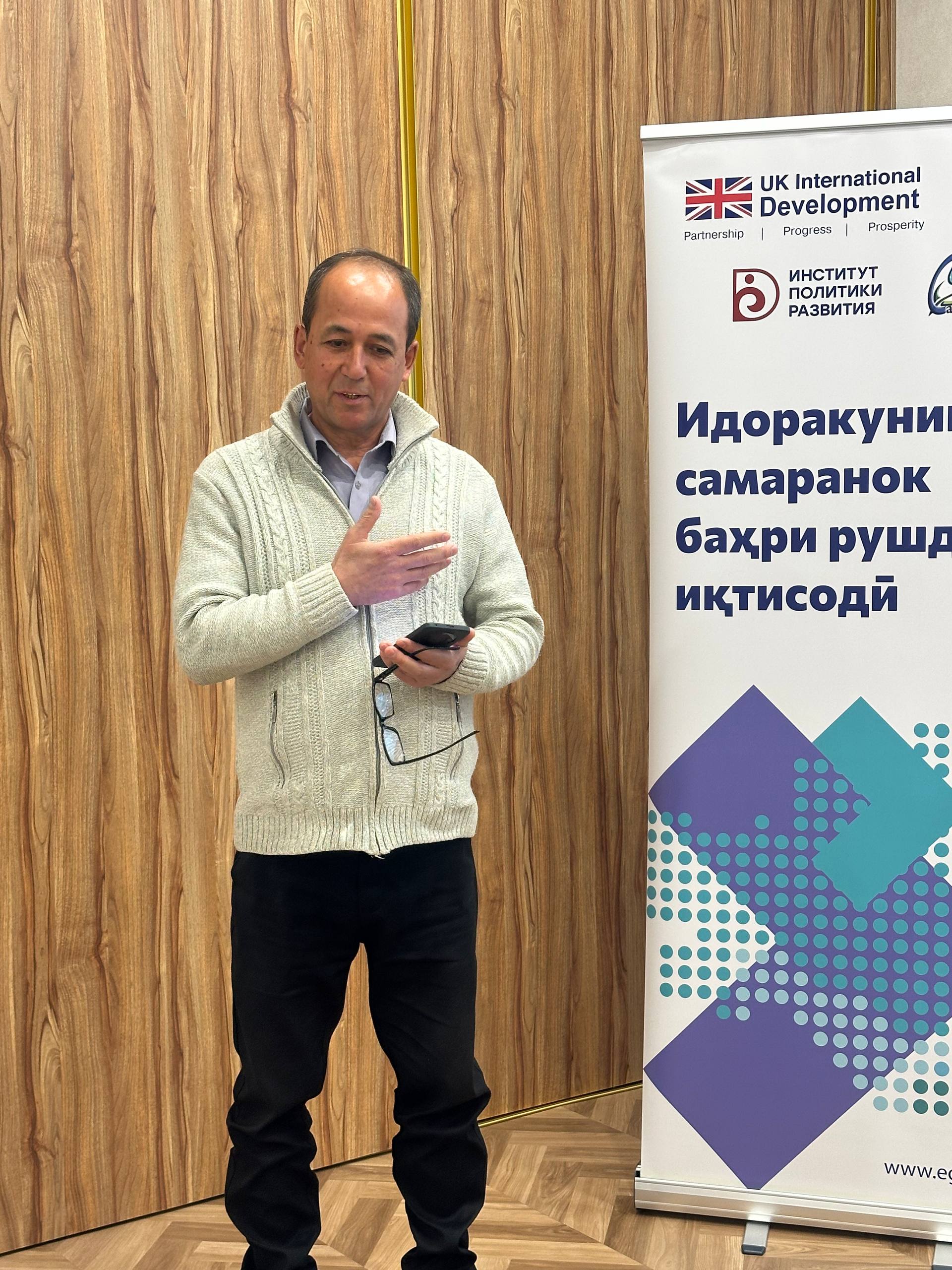
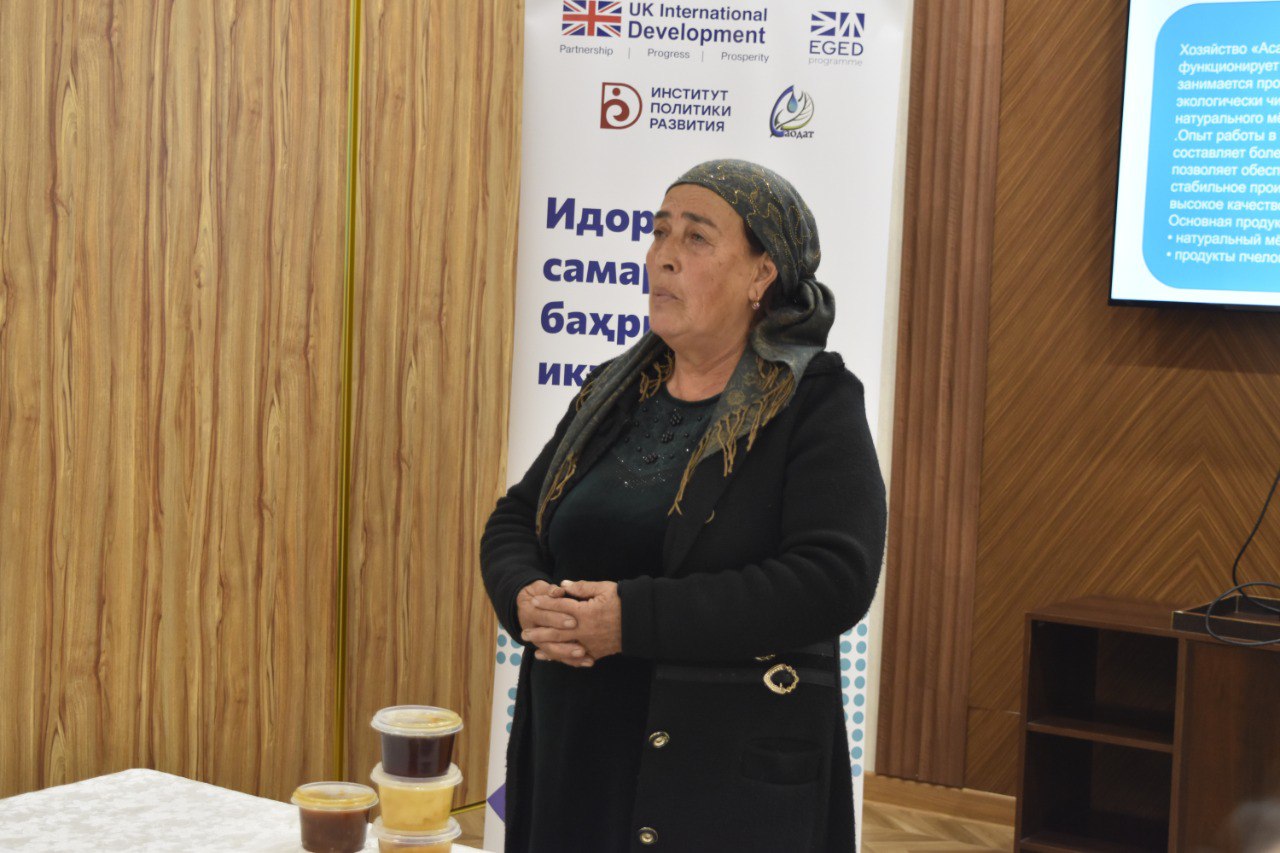
“For the first time, the competition introduced a public pitching format, making the selection process more transparent and objective. In addition to evaluating project proposals, experts provided practical recommendations to help participants strengthen their business models, improve the sustainability of their initiatives, and enhance their future growth potential”, noted representatives of the “Saodat” Public Organization.
The pitching results will serve as the basis for selecting the mini-grant recipients, who will receive financial support to implement their business initiatives. The supported projects are expected to contribute to local production, job creation, increased economic activity, and stronger resilience of the pilot communities.