
- Home
- »
- Tajikistan
Targeted Social Assistance (TSA) Improved targeting
The EGED programme promoted the reform that increased public expenditures on allowances, which now outpace inflation by more than 30% per year

The amount of the allowance per beneficiary has increased, and the differentiation of benefits has been intensified, thus targeting poor families according to the number of children. With the support of the EGED Programme a new formula for calculating benefits, which uses accurate data and takes into account the inflation rate was adopted by the Joint Order was issued by the Ministry of Health and Social Protection of the Republic of Tajikistan, the Ministry of Finance of the Republic of Tajikistan and the Statistical Committee of the Republic of Tajikistan. The formula significantly enhances the targeting power of the assistance and reduces errors that unreasonably deprive some families of support.
Strengthening accountability
The EGED programme managed to create the space for civil society and media to interact in free spirit and with a critical eye on the traditionally sensitive subject of the TSA mechanism. Civil society and media effectively informed central and local governments about gaps in the implementation of the TSA mechanism. The EGED Programme achieved significant results in its work with vulnerable households (potential TSA recipients) in Khatlon oblast, which has the highest poverty rate in the Republic of Tajikistan. These households now have better access to TSA information, support and counseling, and in several cases, as a result of civil society activism, the households have been added to the list of beneficiaries and additional support has been provided to persons with disabilities as a result of media coverage.
Poverty Council Strengthening the rationale of decisions
With the support of the EGED Programme, the advanced poverty assessment survey was officially launched and an updated methodology was developed to determine the poverty line.
The EGED Programme helped to improve the outcomes of the Poverty Council of the Republic of Tajikistan: 1) through the use of evidence-based data; 2) through the use of new methodology to overcome poverty and to address child poverty; 3) through the support of the first Strategy of the Council; 4) through the increasing quality of the systematic country diagnosis (2023), Poverty Estimates (2024) (supporting the Statistics Committee’s data collection for household budget surveys in 2021, 2022 and 2023).
Strengthening predictive capacity
The CODI tool (Core Systems Diagnostic Instrument) has been introduced, which helps the Republic of Tajikistan to improve social protection systems by analyzing their strengths and weaknesses and proposing options for further action (comprehensive assessment of all elements and programmes of the system; coordination of national ministries, agencies and international partners; informing the Social Protection Action Plan of the Population Strategy in the Republic of Tajikistan)
E-commerce
The EGED Programme started to support e-commerce by identifying the needs of the government partners (the Export Development Agency under the President of Tajikistan and the Ministry of Economic Development and Trade of the Republic of Tajikistan) to diversify exports from Tajikistan to other countries using digital platforms and solutions.
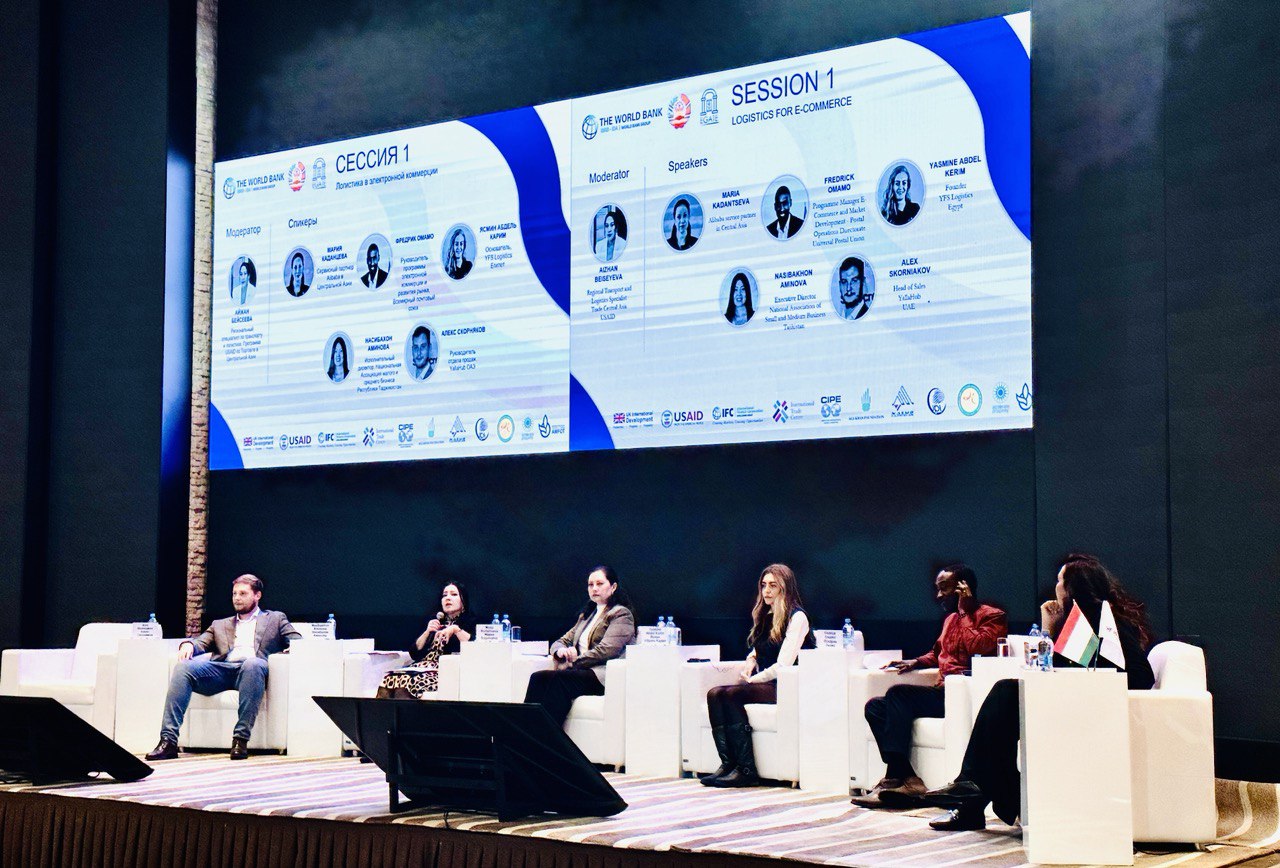
In 2024, the EGED Programme among other partners provided their support to organize the International Conference on Enhancing Global Access through Electronic Commerce (E-GATE). The Conference became a meeting place for major e-commerce stakeholders, representing not only Tajikistan, but also Kazakhstan, Kyrgyzstan, Turkmenistan and Uzbekistan. Prominent e-commerce players Amazon, Alibaba, Lenovo, Coursera, VISA, Uzum Group, and the Universal Postal Union and the Central Bank of Brazil participated in the panel discussions.
Using Data to Strengthen Accountability
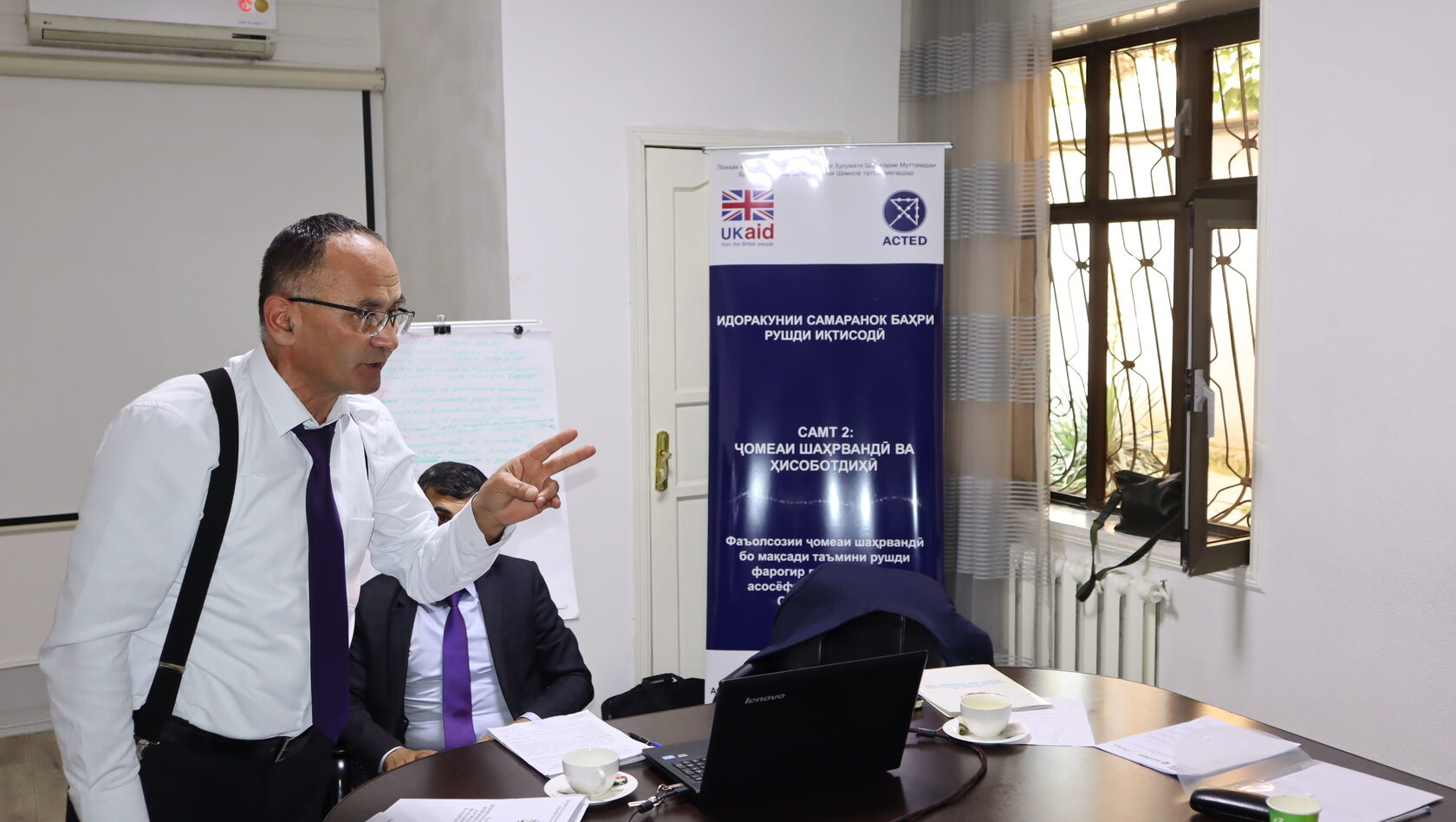
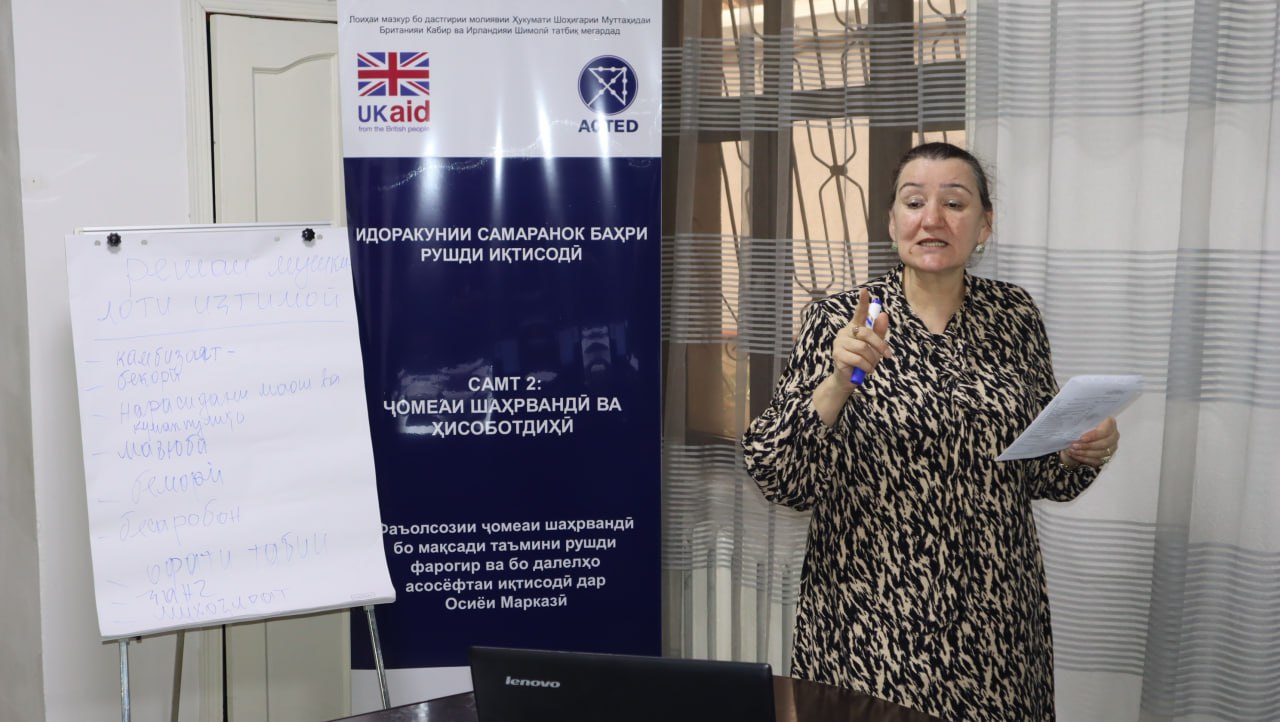
Press Club sessions, supported by the EGED Programme, improved communications between 60 government officials, media representatives and experts.
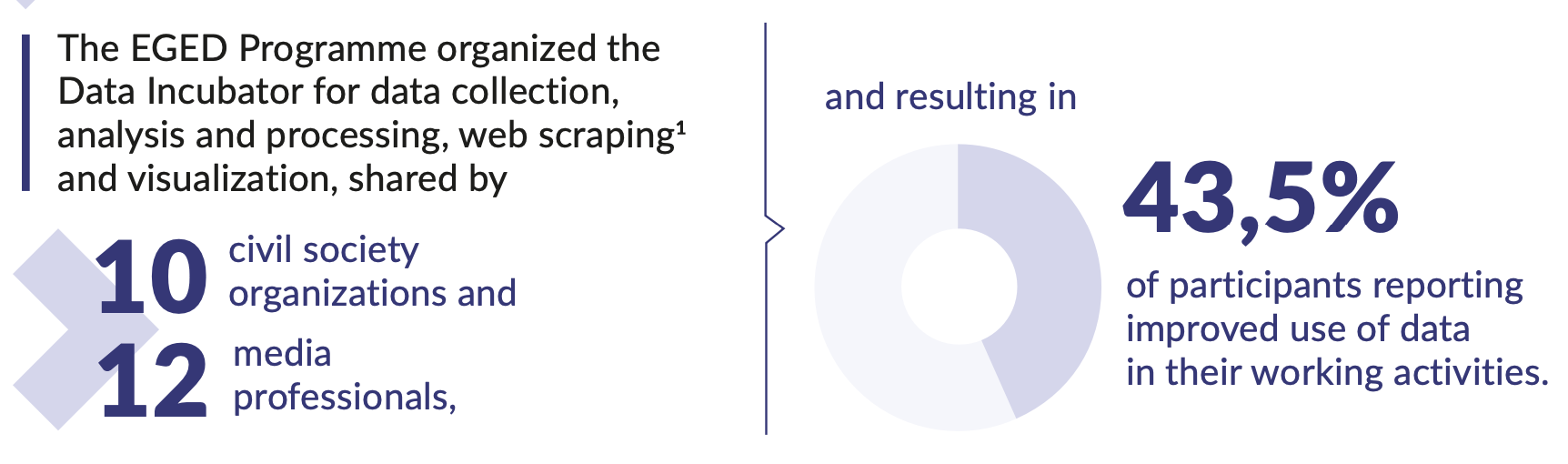
As a result, 17 news stories and reports on TSA and social protection were presented on state television, social networks and other media, reaching an audience of about 70,000 people.
Press Club meetings on tax reform reached an audience of about 200,000 people.
Some stories were broadcast on prime time television and radio channels and reached up to 90% of the country’s population.
Platforms for Civil Society Dialogue with the Government
Dialogue
Conditions
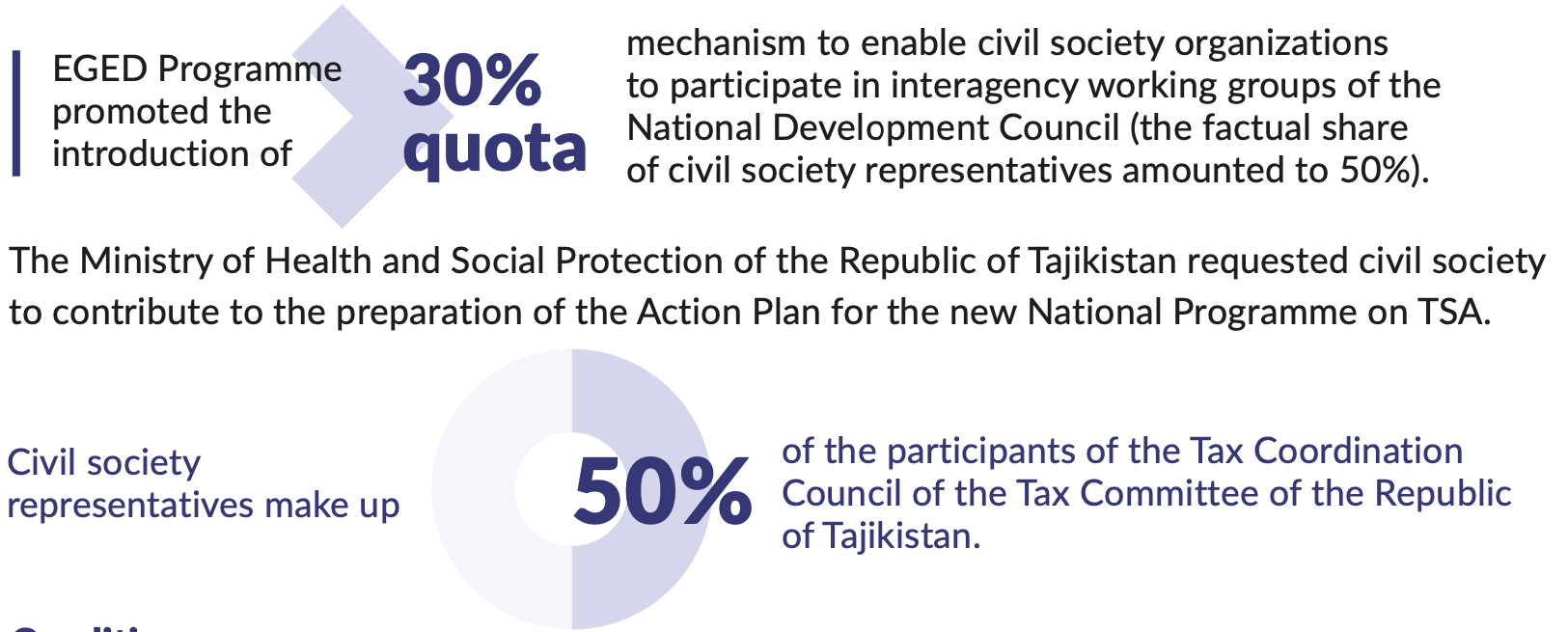
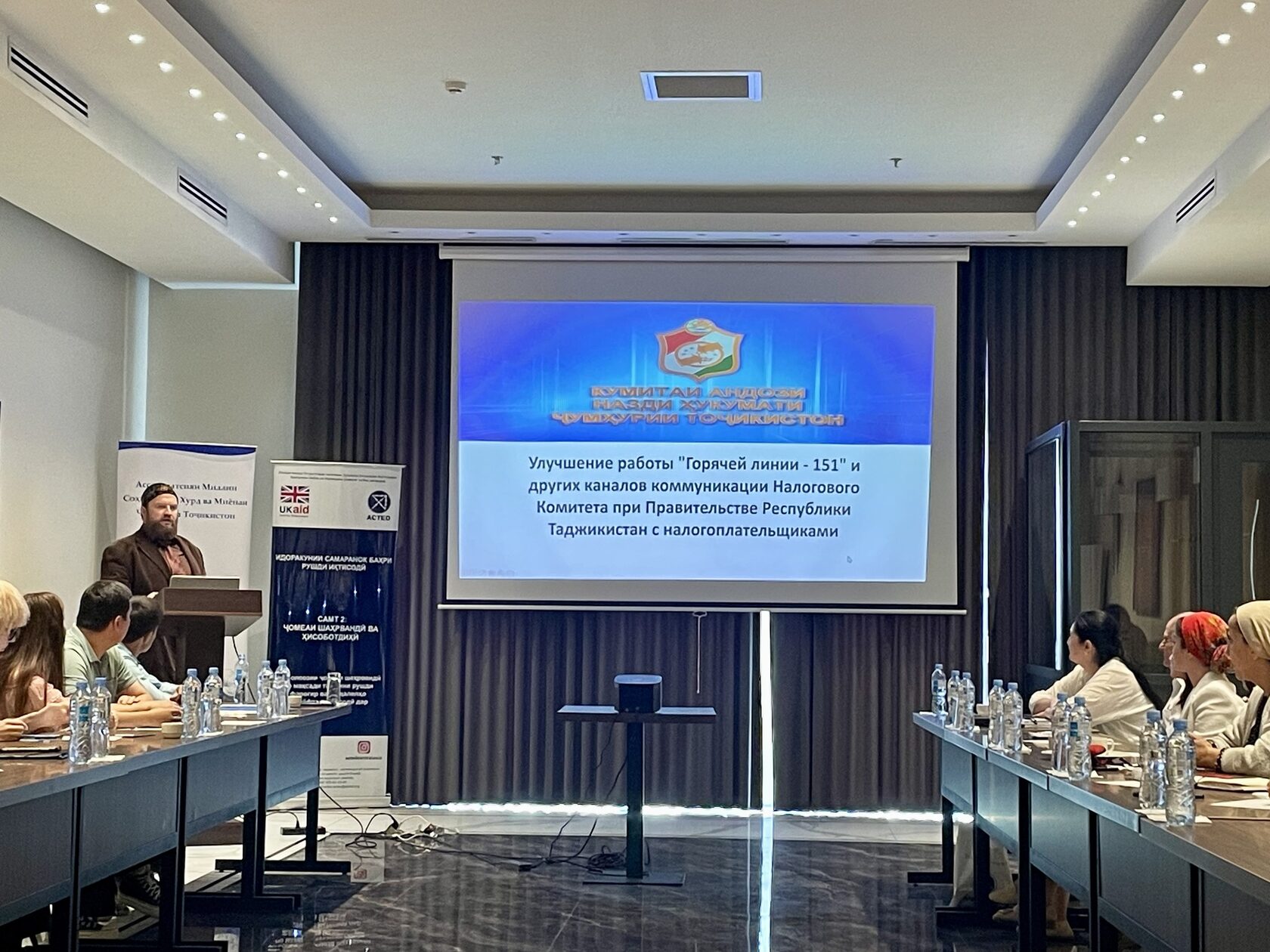
The EGED Programme also works to foster a more favourable tax environment for civil society in Tajikistan: the simplified Tax Guide for Civil Society Organizations was developed in coordination with the Tax Committee and the civil society; the first policy dialogue on taxation of NCOs took place, and the Tax Committee agreed to review the policy on rent tax for NCOs. To increase capacity and promote financial sustainability of civil society organizations, the study was conducted to explore opportunities for the development of social entrepreneurship. The support programme was developed and as a result 5 social enterprises were established by civil society organizations.
Gender Assessment
The results of the country gender assessment conducted by the EGED Programme were widely discussed by stakeholders
who confirmed that despite the progress made, serious challenges remain in achieving gender equality in Tajikistan, including in the areas of higher education, labour participation rate and wages, decision-making practices, and property control.
Pillar 1
Pillar 2
(2021 – 2025)
Beneficiary partners:
|
Implementor
|
Contacts
|
|---|---|
|
FCDO |
Umed Rahmonov |
|
The World Bank |
|
|
ACTED |
Nasima Nazrieva |