
- Главная
- »
- Кыргызстан
Regional development Improving data management
The study conducted by the EGED Programme found that 85% of the surveyed representatives of local self-governing bodies (LSG) require training on statistical data use.
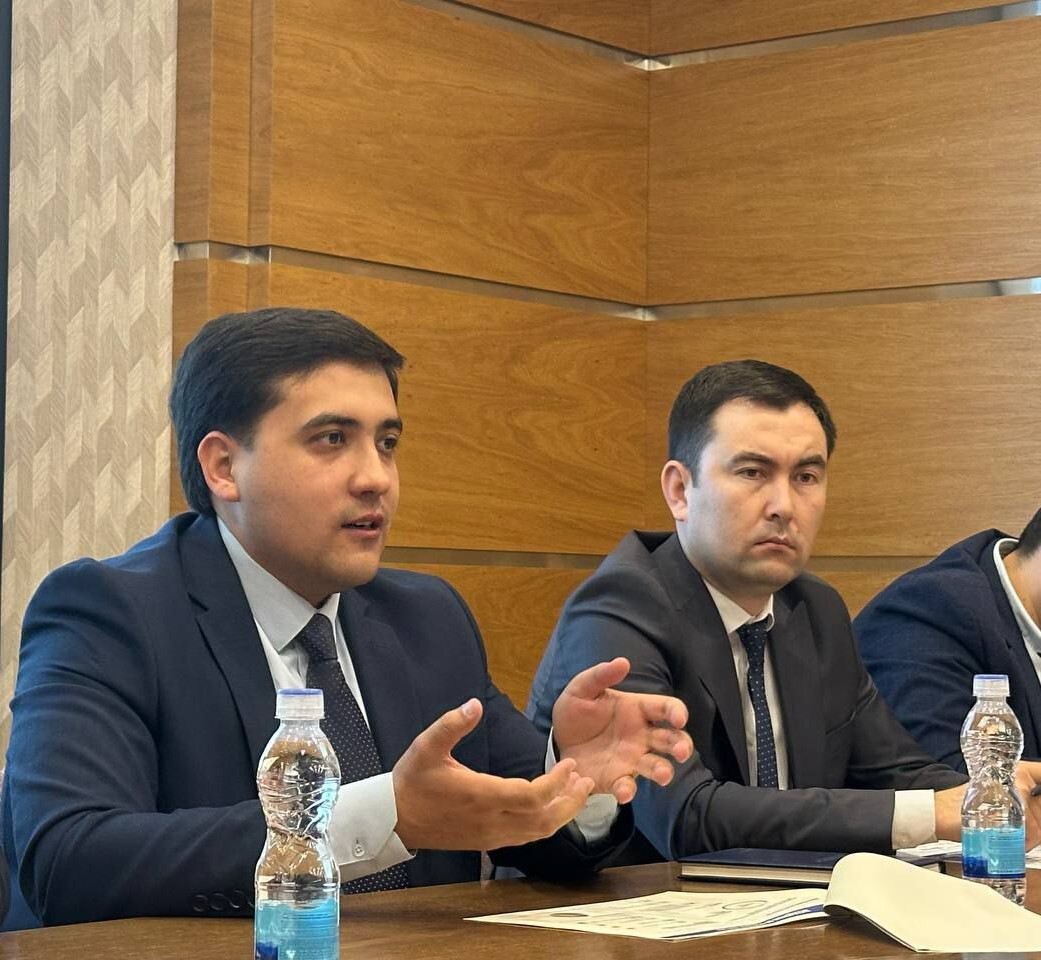
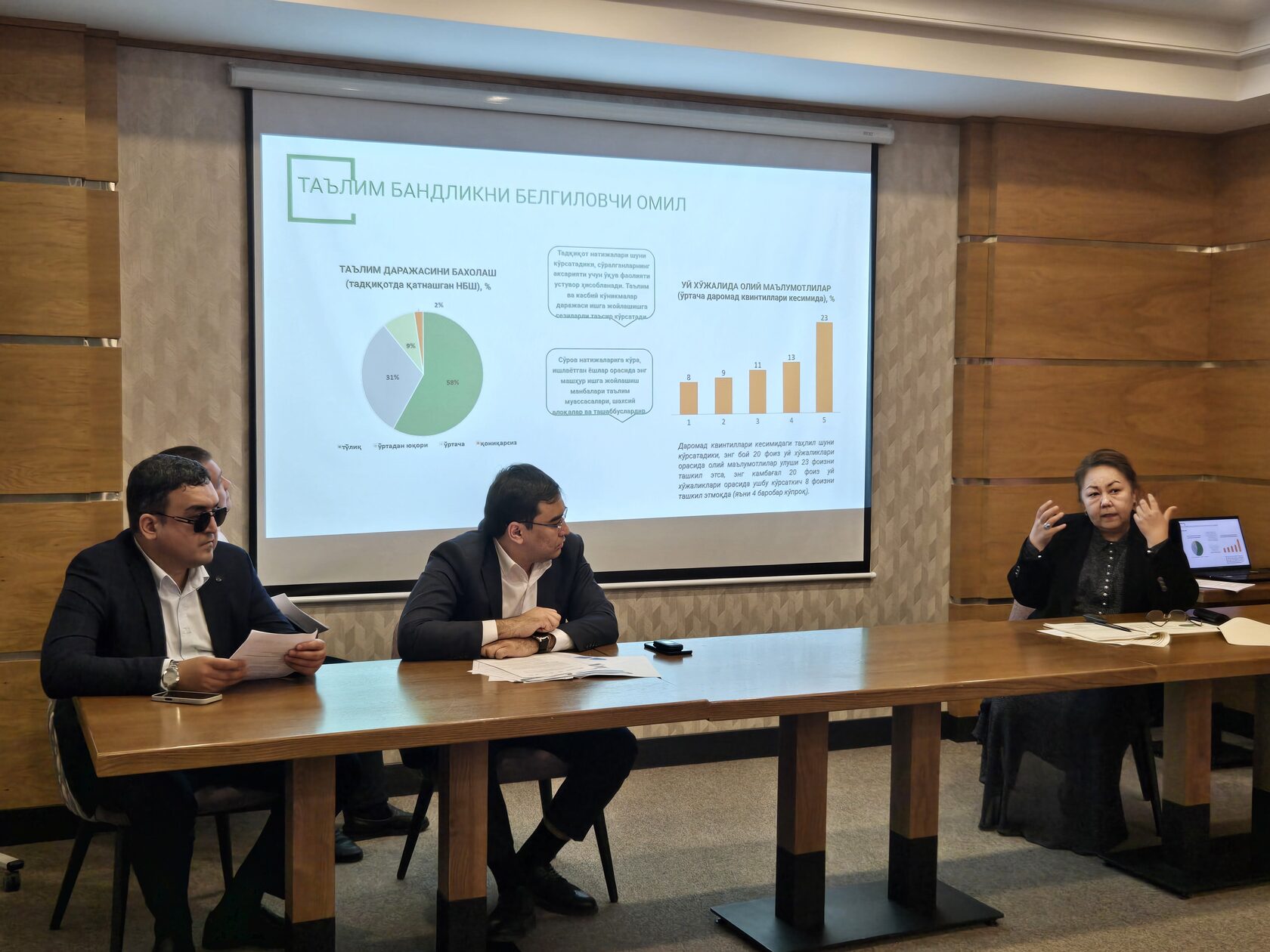
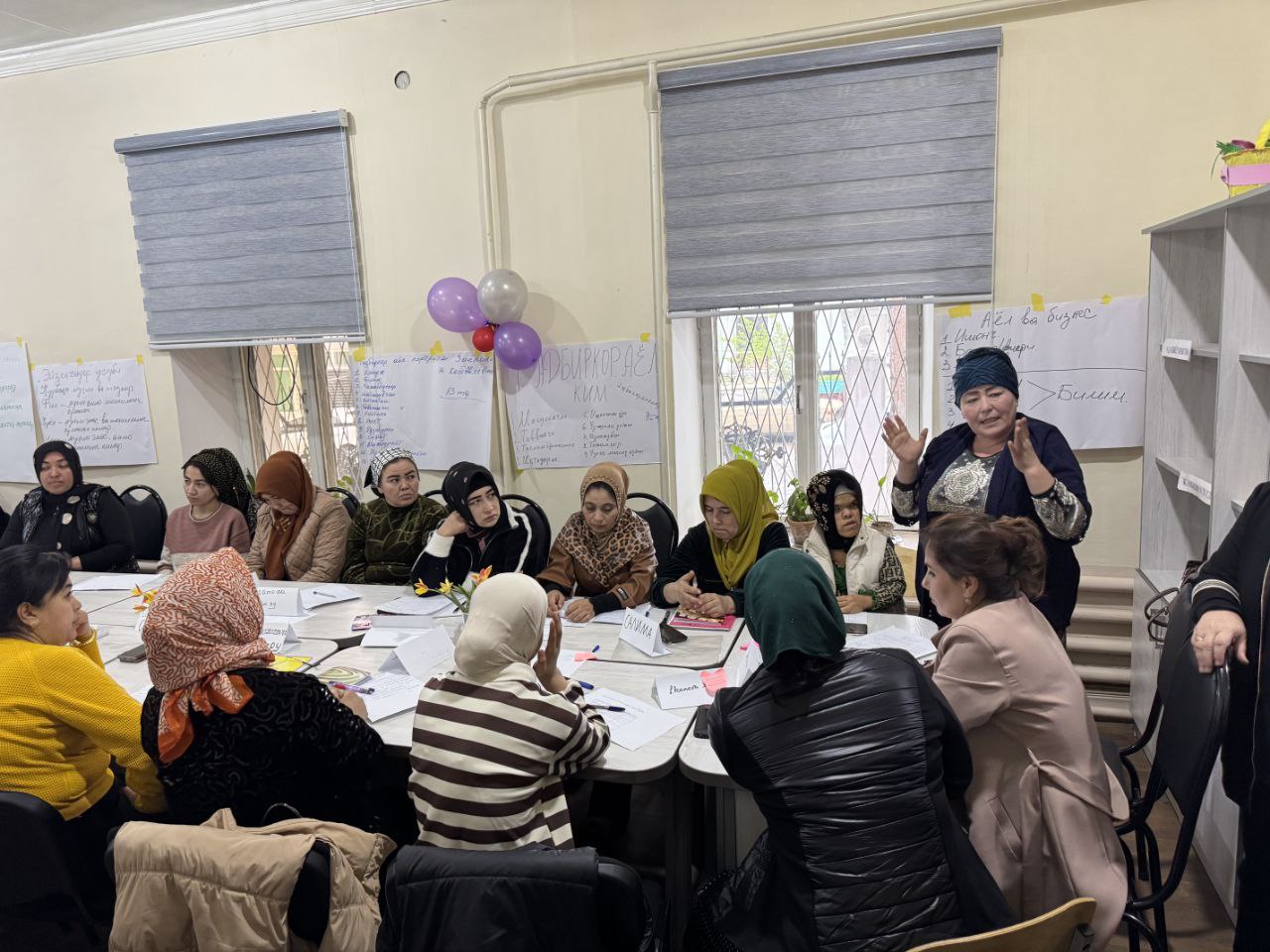
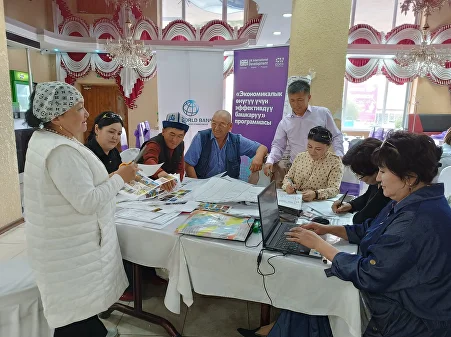
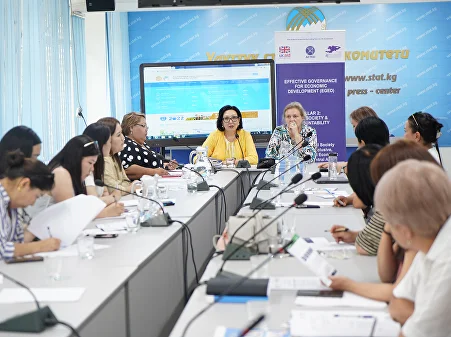
Together with the National Statistical Committee of the Kyrgyz Republic, the EGED Programme conducted a series of regional trainings on «Data for Regional Development: Sanarip Aimak1» that covered 516 representatives of all LSG bodies of the KR (including 66% women).
The LSG bodies improved their data management in the Sanarip Aimak system as a result of the training:
- 5% the number of households and citizens registered in the system increased by
- 10% accordingly
- 65% the number of certificates issued through the system increased by
- 80% and the number of registered LSG passports increased by almost
The gender assessment supported by the EGED Programme helped to guide and frame the activities of the development programs aimed at supporting vulnerable groups, including women.
Introducing data-driven planning tools
In response to the needs of the Ministry of Economy and Commerce of the Kyrgyz Republic, the EGED Programme supported the development of new methodologies to design programs for socio-economic development of LSG structures and local state administrations (district level of state administration), based on Sanarip Aimak data. The new methodologies introduce the unified planning standard at the local level; indicate a transition to data-driven economic planning; and enable LSG bodies to identify priorities and opportunities for development with the participation of citizens and civil society; and link effectively the available resources and goals to the budget process.
Strengthening accountability and inclusiveness
The EGED Programme supported the development and testing of newly-established Coordination Councils as a platform for dialogue between the state, local self-government, business and civil society, which became a mechanism to include citizens in the process of designing the development programs at the district level.
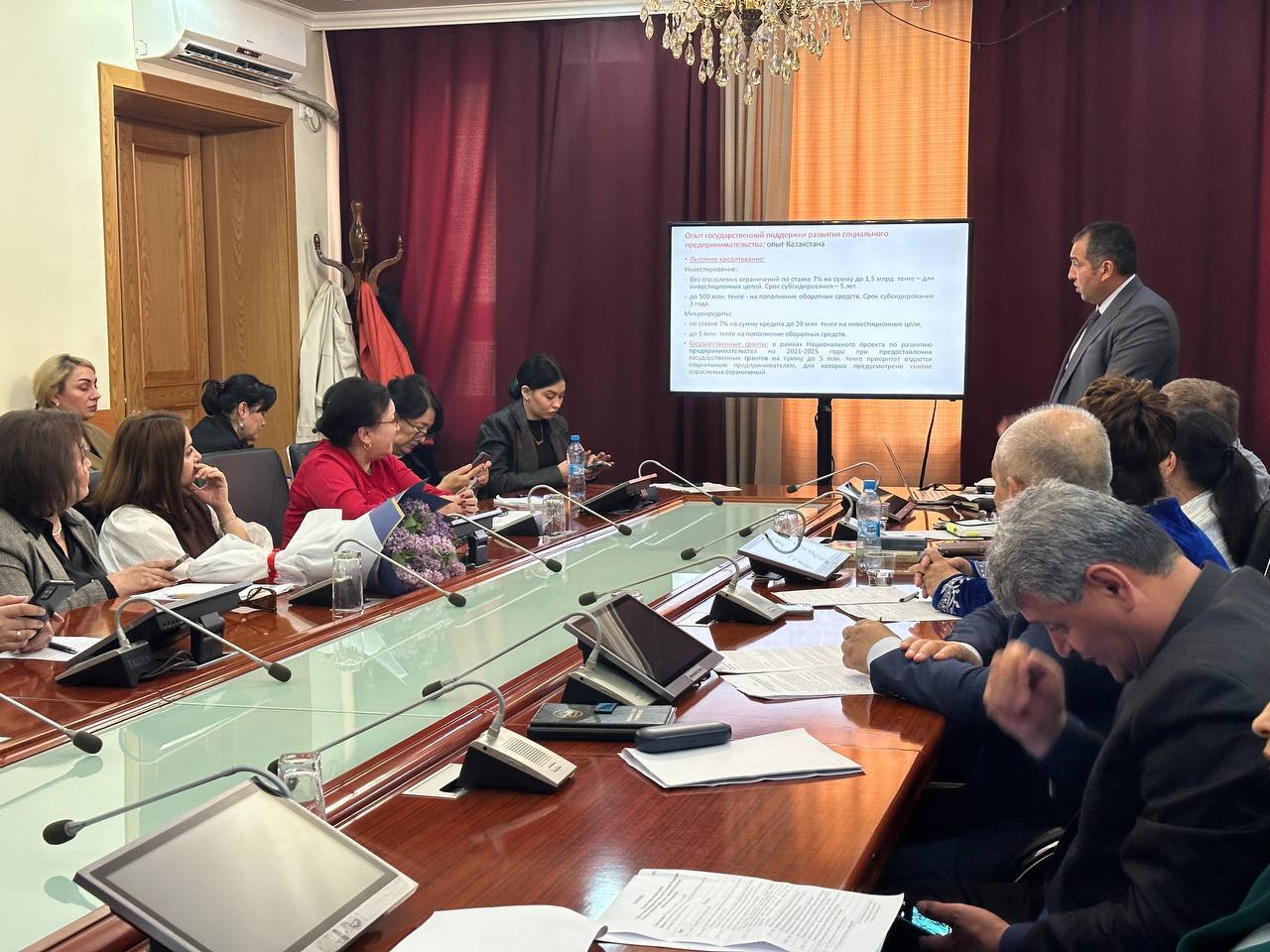
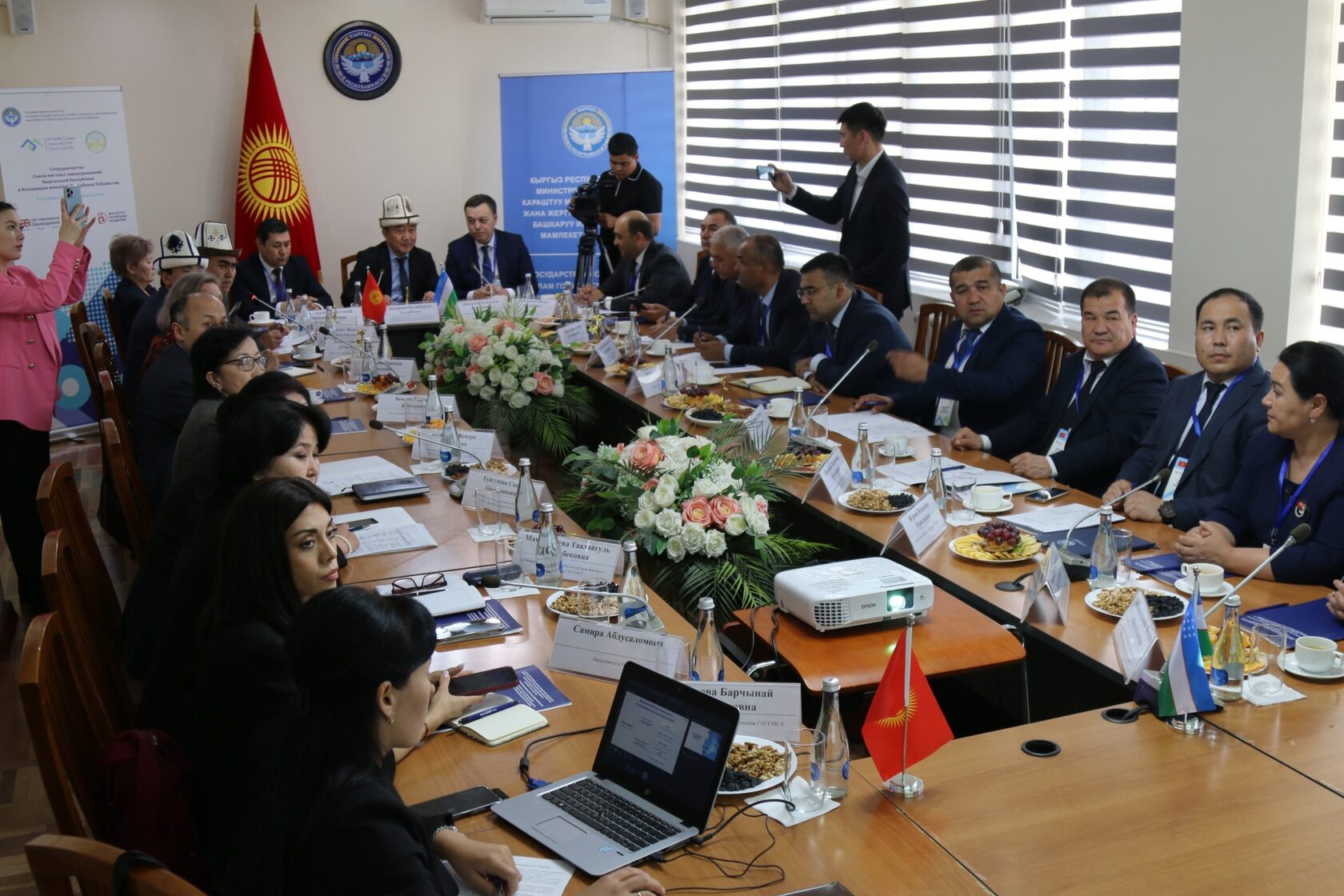
About 60% of key civil society and media activists in the target areas (At-Bashy and Nookat districts of the Kyrgyz Republic) improved their skills in data-driven monitoring and advocacy; 4 national coalitions were supported to strengthen their links with regional civil society and advocate on regional development issues. Nearly 150 representatives of civil society, government and businesses participated in a multilateral forum-dialogue to discuss the contribution of civil society organizations to the development of the regions of the Kyrgyz Republic, which led to the accomplished recommendation on enhancing the participation of businesses and citizens in local development planning.
Fiscal policy Analytical capacity building
The EGED Programme supports the efforts to increase the analytical capacity of specialists and agencies responsible for macroeconomic policy in the Kyrgyz Republic.
Practical workshops on the Dynamic Stochastic General Equilibrium (DSGE ) model, adapted to the specifics of the Kyrgyz Republic economy, were conducted for representatives of agencies that were in charge of forecasting and planning of monetary, macroeconomic and fiscal policies (the Presidential Administration, the NBKR, the Ministry of Economy and Commerce of the Kyrgyz Republic, the Ministry of Finance of the Kyrgyz Republic). DSGE model serves as a comprehensive tool for analyzing various macroeconomic policies, including monetary, fiscal and structural aspects, to respond to different types of shocks. The model covers a period of one to ten years. With the DSGE model, the NBKR staff describes scenarios that are used to formulate the monetary policy.
Improving the measurement of inflation expectations
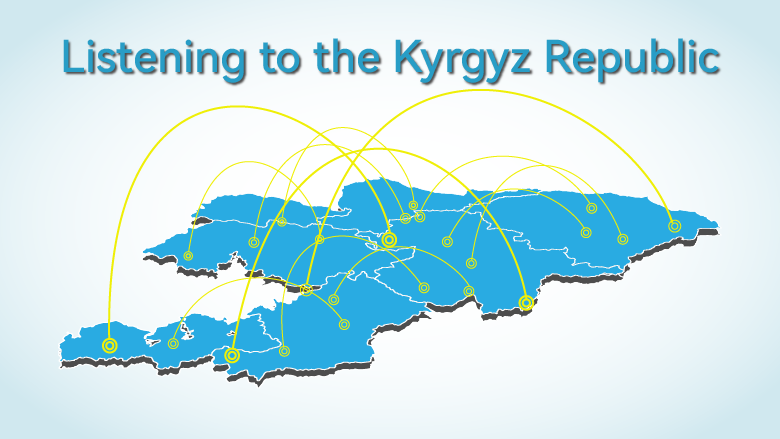
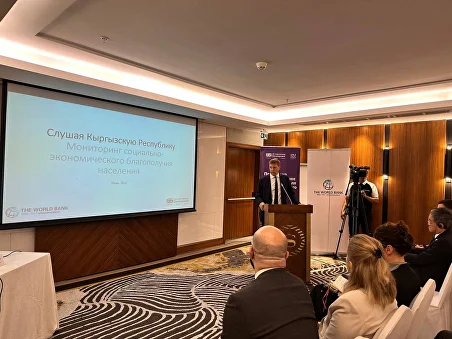
The EGED Programme supported the NBKR to improve the methodology of measuring inflation expectations of the population. In 2023, Listening to Kyrgyzstan (L2KGZ), the monthly household survey, designed to collect data on social and economic well-being of residents usually unavailable from other sources, has been expanded to include additional questions, thus reflecting international best practice on inflation expectations. This data contributes to timely and regular monetary analysis and improved policy decisions and communications.
Improving communications.
In response to the NBKR request, the EGED Programme provided technical assistance to improve the National Bank’s communications policy: the management staff of the regulator was trained on the best practices of public communications, and the institution itself adopted the action plan to remove barriers to effective communications in the field of monetary policy and financial stability.
E-commerce
Using Data to Strengthen Accountability
The EGED Programme organized the online course
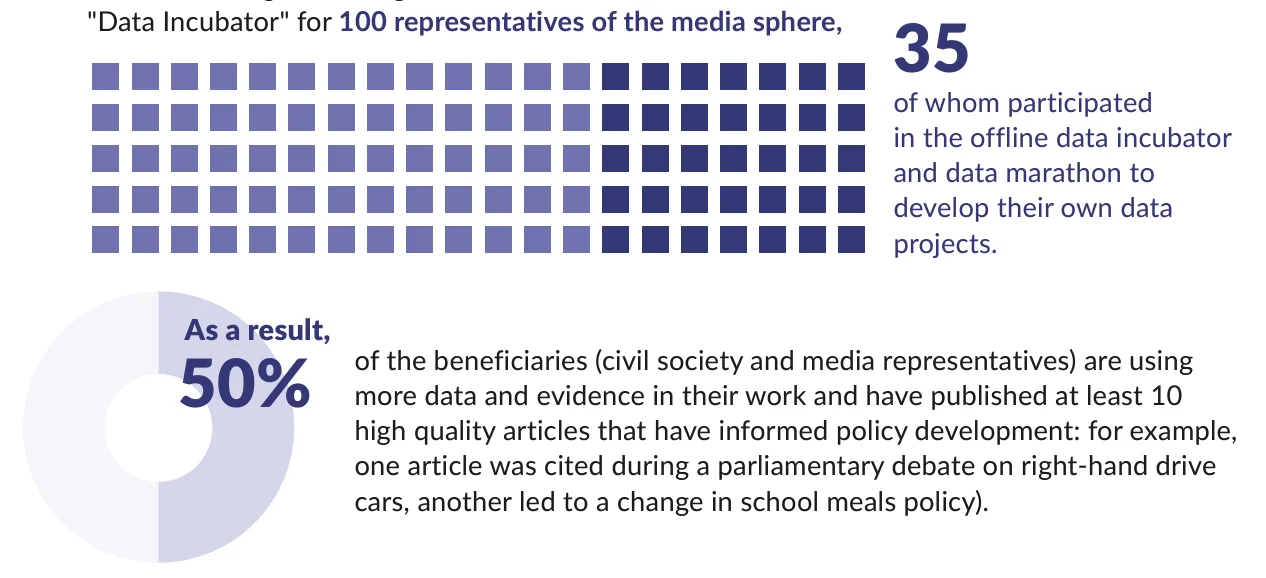
The National Alliance of Business Associations was supported in establishing and developing communications between the business community and media representatives, resulting in the opening of the Press Club within the Alliance and the publication of articles to promote business interests.
Pillar 1
National Statistical Committee
National Bank of the Kyrgyz Republic
Pillar 2
(2021 — 2024)
(2024 — 2025,)
Beneficiary partners:
|
Implementor
|
Contacts
|
|---|---|
|
FCDO |
Aida Akmatalieva |
|
The World Bank |
|
|
PA DPI |
Nadezhda Dobretsova, ndobretsova@dpi.kg |
|
NGO ICNL |
Paul Bonwich, pbonwich@icnl.org |