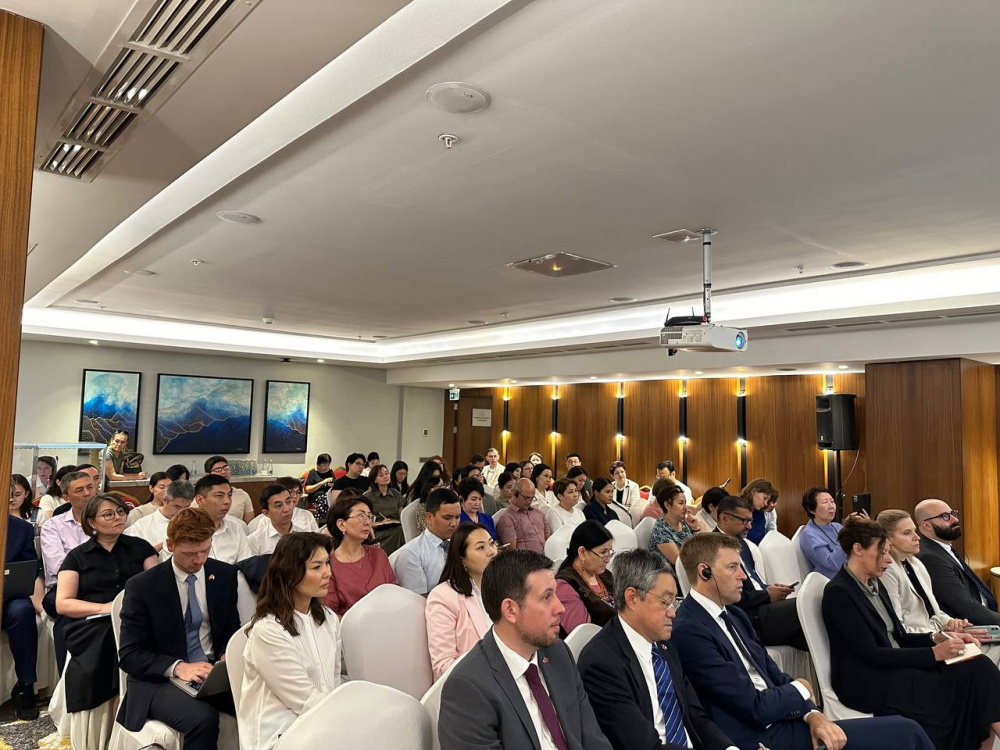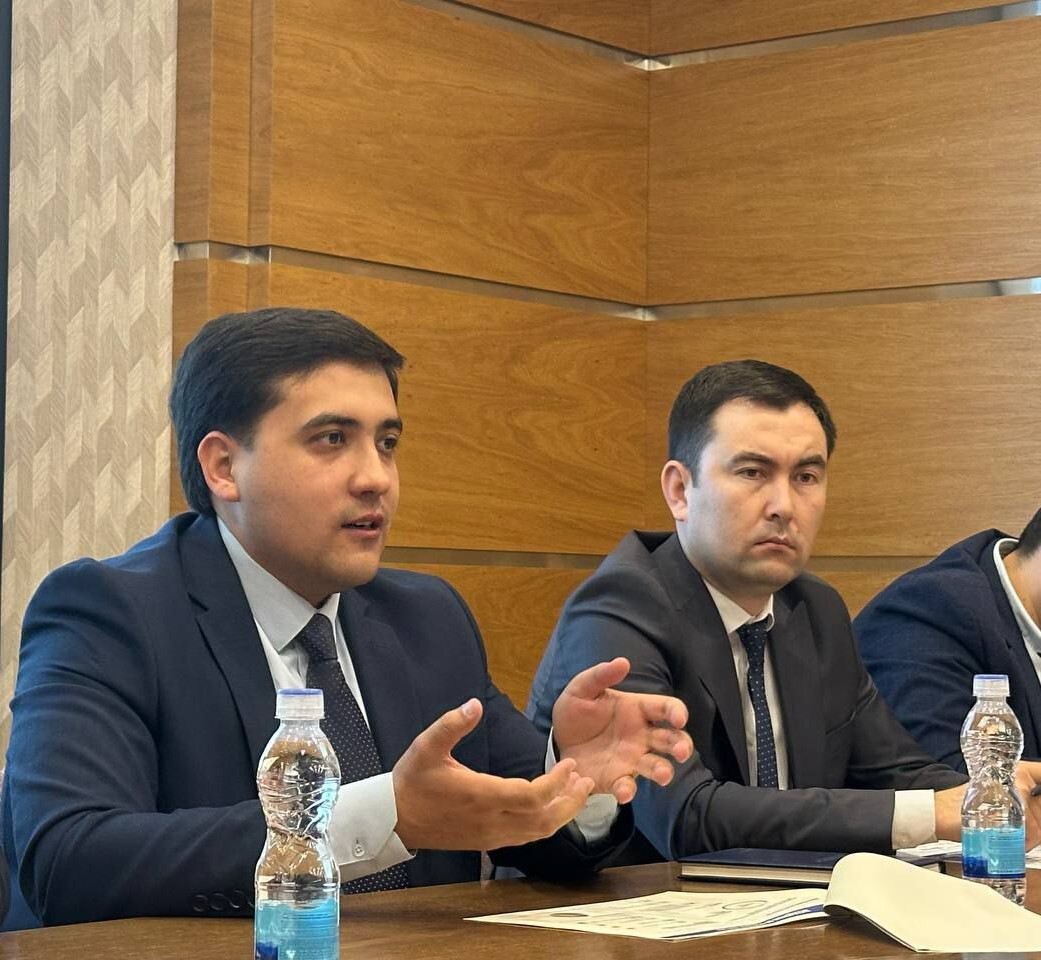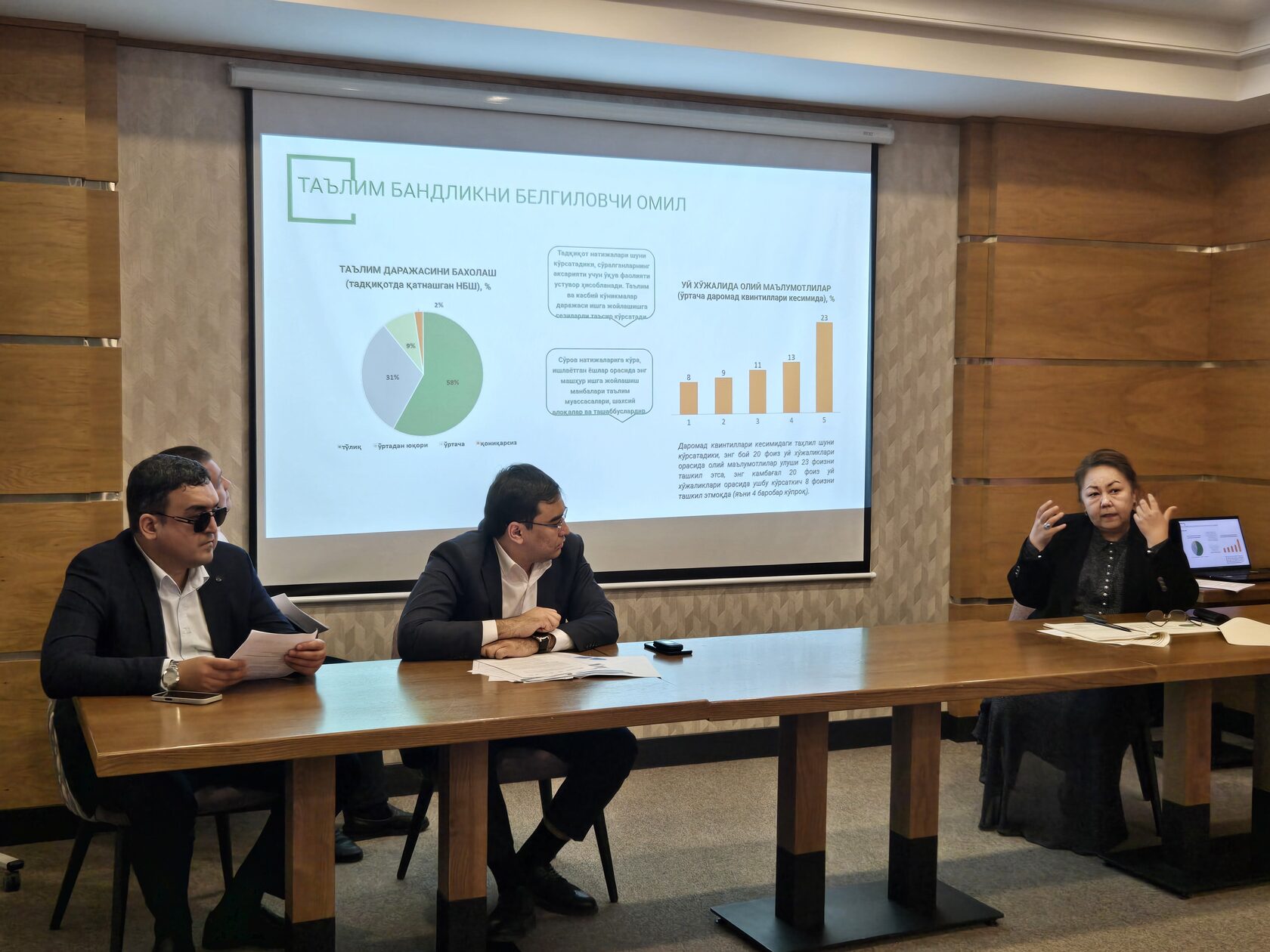



On June 18, 2024, the two research’s results were presented at the Sheraton Hotel in Bishkek: “Listening to the Kyrgyz Republic” and “Prospects for Climate Change: Beliefs, Challenges and Recommendations”. Presentation was held within the framework of the World Bank programme on poverty and equality in the Kyrgyz Republic. That was stated in the press release of the World Bank received by the editorial office.
“Listening to the Kyrgyz Republic”
“Listening to the Kyrgyz Republic” – is a monthly panel research involving 1,500 households”, – the statement said. – It was launched in December 2021 in order to monitor the well-being and views on the economy and governance of a representative group of the Kyrgyz Republic population and has been implemented within the framework of the “Effective Governance for Economic Development” project.
Thus, according to the research results, household incomes adjusted for inflation have remained stable over the past two years. Household financial security has been improving since the beginning of the research, but progress has stopped since December 2023. Perceptions of well-being and socio-economic status have tended to improve since the start of the research in December 2021 with some decline in the first quarter of 2024.
Since December 2021, the high level of optimism regarding economic conditions and price stabilization has been kept.
According to the research results, respondents considered the lack of work and high prices to be the most pressing economic problems throughout the entire period. In the 4th quarter of 2023, those concerns were considered equal, but in the 1st quarter of 2024, the number of people concerned about employment rose to 55%, while those concerned about prices fell to 46%.
“Since the launch of the research, the indicator of trust in the government has shown positive dynamics. However, in the first quarter of 2024, that positive trend, reflecting the opinion about the government’s work, decreased somewhat, which may be due to interruptions in the provision of utilities during the wintertime”, – the report said.
The World Bank Lead Economist Aibek Ashirov reported that in 2022, about 23% of respondents, on average, believed that their household lived in poverty.
Those data were between the international poverty line, which in 2022 was 13% (the share of the poor population with an income below the average of $3.65 in PPP (purchasing power parity) in 2017), and the national poverty line (determined by the National Statistical Committee of the Kyrgyz Republic), which in 2022 was 33.2%.
“The international poverty line, the national poverty line and subjective poverty represented different approaches to measuring and understanding poverty and were not comparable with each other”, – the World Bank explained. – Each measure offered valuable information: the international poverty rate for global comparisons, the national poverty rate for national policymaking, and subjective poverty – for understanding the personal and social dimensions of poverty”.
“In 2023 the subjective poverty rate dropped to about 19% (average for 2023). In March 2024 about 16% of respondents classified their households as poor. However, the results of such self-assessment rarely remain unchanged for a long time. As the results of the research showed, the poverty indicator changed significantly over time, depending on many subjective factors, such as, for instance, food security and the perception of one’s socio-economic status”, – Aibek Ashirov said.
“Climate Change Prospects”
In turn, the presentation “Climate Change Prospects: beliefs, challenges and recommendations” was based on the results of the Life in Transition Survey (LiTS). The purpose of the research was to determine the depth of public interest in implementing policies aimed at mitigating the effects of climate change, the WB said in a statement.
According to the results of the research, about 78% of respondents considered the climate change a real problem. At the same time, 62% believed that climate change was caused directly by human activity. 79% of respondents in Kyrgyzstan also believed that climate change would affect them, and 89% believed that it would affect the lives of their children.
“In the Kyrgyz Republic about 59% of respondents prioritized the environmental protection over economic growth. And more than half of respondents supported policies to reduce greenhouse emissions. However, despite their concerns about the climate change, they do not see it as a priority for investment compared to other national issues such as health, education, and creation of jobs”, – reported the Economist at the World Bank’s Poverty and Equality Global Practice Metin Nebiler.
It was noted that the obtained data served as an important component for the development and implementation of strategies aimed at sustainable development and improving the quality of life in the country. “It was important that the government, international organizations and civil society continue to cooperate to achieve those goals, ensuring the long-term well-being and sustainability of the Kyrgyz Republic”, – emphasized the WB.